Learn how to grow your income with tips and ideas about direct selling and starting your own wellness store. Read success stories and simple guides to help you succeed.
Want to start an online business without investing in inventory? Our complete guide to dropshipping in India explains how to start, what to sell, and how to succeed in 2025. Find out how thousands of Indians are building profitable online stores with zero inventory risk.
Looking to start an online business without keeping stock? Learn how to start a dropshipping business in India that can earn you good money from home. With India's ecommerce market expected to reach USD 350 billion by 2030, now is the perfect time to start your zero-inventory business.
To start dropshipping in India in 2025, you need:
Basic Setup: Rs 0-20,000
Website Cost: Rs 0-1500/month
Marketing Budget: Rs 5000-10,000/month
GST Registration: Rs 1500-2000 (optional)
With platforms like Wcommerce, you can start dropshipping without investment.
What is Dropshipping?
Dropshipping is a retail business model where you sell products online without keeping any stock. When customers buy from your online store, the supplier ships products directly to them. Recent studies show that 41% of Indian consumers now prefer online shopping, making ecommerce dropshipping an attractive business option.
How Dropshipping Works in India:
You create your online store
Customer orders from your store
You forward the order to supplier
Supplier ships directly to customer
You keep the profit margin
Dropshipping Business Checklist for 2025
Essential requirements to start:
Business Plan
Choose niche
Research products
Set pricing strategy
Legal Requirements
Email Address
Bank Account
Technical Setup
Online Store
Payment Gateway
Social Media Accounts
Marketing Plan
Social Media Strategy
Content Plan
Advertising Budget
Why Choose B2C Dropshipping in India?
The dropshipping business model in India offers many benefits for passive income:
Low investment to start
No inventory management
Work from anywhere
No warehouse needed
Wide product selection
Easy scalability
Step-by-Step Guide to Start Dropshipping
1. Choose Your Niche
Want to start an online business without investment? First, select products that:
Have growing demand
Are easy to ship
Offer 30-40% margin
Have less local competition
Popular categories in online retail:
Health & wellness products
Beauty and skincare
Fashion accessories
Home decor
Electronics accessories
2. Find Reliable Partners
Look for platforms like Wcommerce that offer:
Quality products
On-time shipping
Return handling
Order tracking
Customer support
3. Set Up Your Online Store
Choose from:
Ready platforms (fastest start)
Shopify (easy but paid)
Custom website (needs technical knowledge)
4. Price Your Products Competitively
Remember to:
Check market prices
Include shipping costs
Consider platform fees
Keep 30-40% margin
Stay competitive
5. Market Your Online Store
Best promotion channels:
WhatsApp business groups
Facebook & Instagram
Google ads
Local community groups
Friends & family networks
Market Potential and Growth
Recent market research indicates:
35% annual growth in online retail
79% increase in first-time online shoppers
54% growth in tier 2-3 city orders
Dropshipping Market Statistics 2025
Recent data shows promising growth in Indian ecommerce:
Indian ecommerce market to reach $188 billion by 2025
74% of Indian consumers shop online regularly
Tier 2 and 3 cities show 82% growth in online shopping
Mobile commerce accounts for 67% of all online sales
Common Challenges in Indian Dropshipping
Shipping and Logistics
Choose lightweight products
Focus on high-value items
Work with reliable shipping partners
Payment Processing
Use trusted payment gateways
Offer multiple payment options
Keep delivery proof
Building Trust
Show real product photos
Give honest delivery times
Respond quickly to queries
Start Without Investment
Begin your journey with:
Ready platforms like Wcommerce
Social media marketing
Free promotion tools
Gradual growth plan
Legal Requirements
Basic needs:
GST registration (for pan-India selling)
Bank account
Email address
Success Tips for Online Retail
Start small, grow steadily
Test market demand
Focus on customer service
Keep learning
Build customer loyalty
Ready to Start Your Journey?
The Indian ecommerce space is growing rapidly, making it the perfect time to start your dropshipping business. With thousands of successful online store owners already earning good income, you too can build a profitable business.
Remember:
Choose trending products
Use reliable platforms
Provide excellent service
Market consistently
Stay patient
Frequently Asked Questions About Dropshipping in India
1. Is dropshipping legal in India?
Yes, dropshipping is completely legal in India. You need basic business registrations like PAN and GST (if turnover exceeds ₹20 lakhs annually).
2. How much money do I need to start dropshipping?
You can start dropshipping for free using platforms like Wcommerce. Optional costs include marketing (₹5000-10000/month) and business registration (₹1500-2000).
3. Do I need GST registration for dropshipping?
GST registration is mandatory if your annual turnover exceeds ₹20 lakhs. However, registering early helps build trust and allows pan-India business.
4. Which products are best for dropshipping in India?
Top performing categories include:
Health & wellness products
Beauty and skincare
Electronics accessories
Home decor items
Fashion accessories
5. How long does it take to earn profit?
Most dropshippers start seeing profits within 3-6 months with proper marketing. Successful dropshipping stores can earn ₹30,000-1,00,000 monthly.
6. Can I do dropshipping with a full-time job?
Yes, dropshipping can be managed part-time. Many successful store owners start as a side business while keeping their regular jobs.
Want to start your dropshipping business without investment? Create your free Wcommerce store today!
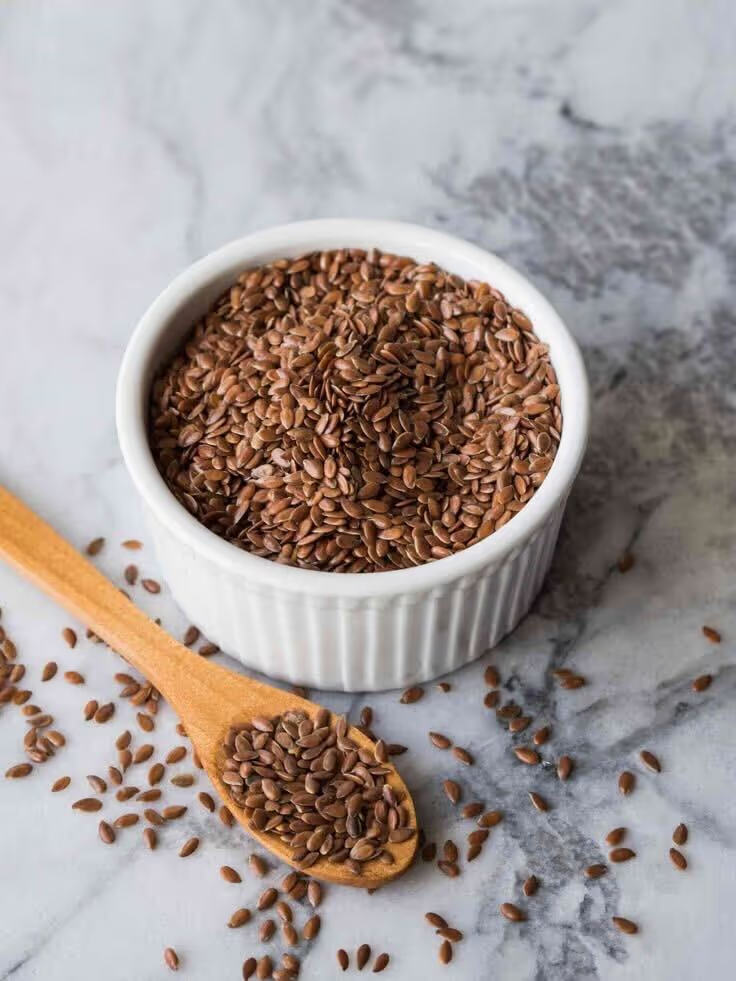
Flaxseeds, also known as linseed, are believed to be native to the region extending from the eastern Mediterranean to India. Flax seeds have been a staple in healthy diets for centuries, offering a powerhouse of nutrients, fiber, and omega-3 fatty acids. Whether you’re looking for better digestion, glowing skin, or enhanced overall wellness, flax seeds are the perfect addition to your meals. Let's explore their benefits, why you should include them in your diet & how they compare to chia seeds.
What makes flax seeds so influential?
Flax seeds are crammed with essential nutrients that promote our overall well-being. They are rich in dietary fibre, plant based omega-3s,proteins, etc. making them an outstanding choice for heart health, weight management and digestion.
Nutritional profile of flax seeds-
Flax seeds contain a unique combination of nutrients that contribute to various health benefits:
Omega-3 fatty acids – Promote heart health and reduce inflammation.
Lignans – Powerful antioxidants that help balance hormones.
Dietary fiber – Aids digestion and supports weight loss.
Protein – Essential for muscle repair and overall body function.
Vitamins & Minerals – Rich in B vitamins, magnesium, copper and phosphorus.
Health Benefits of Flax Seeds
1. Supports heart health – The omega-3s & in flax seeds help lower cholesterol and reduce the risk of heart disease, it may help reduce inflammation and prevent buildup of fat in the arteries.
2. Aids digestion – Insoluble fiber content in flax seeds promotes gut health, supports regular bowel movements, and prevents constipation.
3. Boosts hair health – Flax seeds are rich in essential fatty acids that nourish your scalp,reduce dandruff for hair growth and promote shiny, healthy hair.
4. Helps with weight management – They keep you fuller for longer, reducing unnecessary cravings and aiding in weight balance.
5. Balances hormones– Lignans in flax seeds support hormonal balance, particularly beneficial for women going through menopause.
6. Regulates blood sugar levels – The soluble fibre in flax seeds can help stabilize blood sugar levels as they absorb water from the intestines slowing the process of digestion, making them beneficial for people with diabetes.
7. Improves brain function – Omega-3s & copper support cognitive function and brain development respectively and may help in preventing neurodegenerative diseases.
Why choose roasted flax seeds?
Roasted flax seeds not only enhance the flavor but also improve digestibility. They add a delicious crunch to salads,smoothies, and baked goods, making it easier to incorporate them into your diet. The roasting process also helps to reduce the natural bitterness of flaxseeds, making them a more enjoyable snack.
Flax seeds: Your hair’s best kept secret
If you’re struggling with hair fall or dull hair, flax seeds for hair growth can be a game-changer. The omega-3 fatty acids, vitamin E, and protein in flax seeds strengthen hair follicles, reduce hair breakage, and improve scalp health. You can consume flax seeds daily oreven use flaxseed gel as a natural hair mask for deep conditioning.
How to use flax seeds for hair:
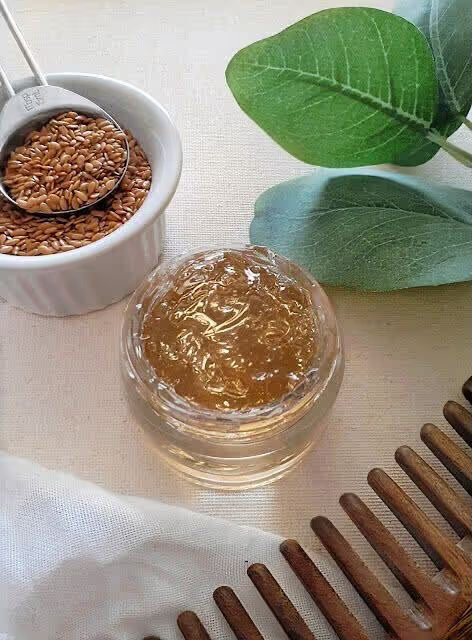
1. Flaxseed gel- Boil them in water until they form a thick gel, then apply it to damp hair as a leave in conditioner or for styling.
2. Flax seed oil-Apply flax seed oil as a hair mask or as a pre-conditioner.
Pro-tip: flax seed oil is sensitive to heat and light, it is best to store them in dark and cool places.
3. Flax seed hair mask- Use the gel along with other ingredients like aloe vera for nourishment.
Flax seeds during pregnancy: A nutrient-rich superfood
Pregnant women can benefit from flax seeds as they provide essential nutrients for fetal brain development and overall maternal health. The high fiber content aids digestion, preventing common pregnancy issues like constipation. The body responds better to moderate doses.Some experts have recommended avoiding flaxseed oil during pregnancy. However,it’s always best to consult a healthcare provider before making dietary changes during pregnancy.
Flax seeds vs. Chia seeds: Which one should you choose?
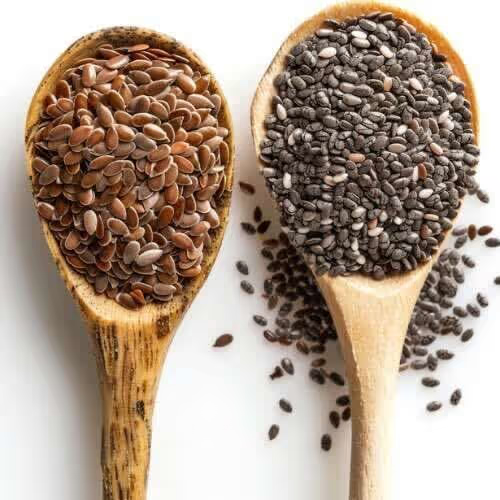
Both flax seeds and black chia seeds offer incredible health benefits, but they have key differences:
Flax seeds need to be ground for better absorption, while chia seeds can be eaten whole.
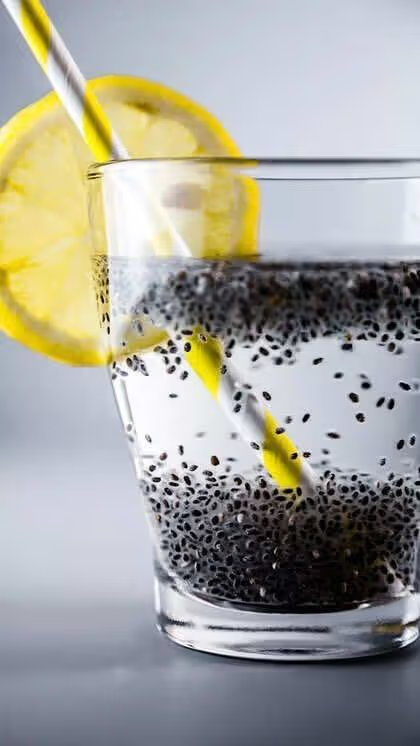
Chia seeds absorb water and create a gel-like consistency, making them great for hydration and digestion.
Flax seeds contain lignans, which are powerful antioxidants that support hormonal health.
Chia seeds have a slightly higher fiber content, making them excellent for gut health.
Flax seeds have a nuttier flavor, whereas chia seeds are more neutral in taste.
No matter which one you choose, both are excellent superfoods to include in your diet.
How to use flax seeds in your daily diet
Flax seeds are versatile and can be included in various meals-
Ways to consume flax seeds:
Smoothies & shakes – Blend ground flax seeds into your drinks for a nutrient boost.
Yogurt & salads – Sprinkle roasted flax seeds over your meals for added crunch and nutrition.
Oatmeal & cereal – Start your morning with flax seeds for a fiber-rich breakfast.
Homemade baked goods – Use flax seeds in muffins, energy bars, and pancakes.
Flaxseed gel – Create a natural hair mask for enhanced moisture and shine.
Flaxseed water – Mix ground flax seeds with water for a detoxifying drink.
Flax seeds in cooking and baking
Egg replacement – Mix 1 tablespoon of ground flax seeds with 3 tablespoons of water to replace eggs in vegan baking.
Thickening agent – Use flax seeds to thicken soups, gravies, and sauces.
Homemade granola – Combine roasted flax seeds with nuts and dried fruits for a crunchy snack.
How to store flax seeds for maximum freshness
Flax seeds contain healthy fats that can go rancid if not stored properly. Here’s how to keep them fresh:
Whole flax seeds – Store in an airtight container in a cool, dry place for up to a year.
Ground flax seeds – Keep in the refrigerator or freezer to prevent oxidation.
Roasted flax seeds – Store in a sealed container to maintain their crisp texture.
Food for thought
Flax seeds are a nutrient-rich superfood that can enhance your overall health in multiple ways. Whether you choose roasted flax seeds for extra crunch or use them for hair and skin benefits,they are an essential part of a balanced diet. Their versatility, combined with powerful health benefits, makes them a must-have in every kitchen.
Bring superfoods to your store
Join thousands who are creating their stores and selling products like these to earn an income or to buy products at wholesale prices for themselves, friends and family. Create your store today and take your business to the next level!
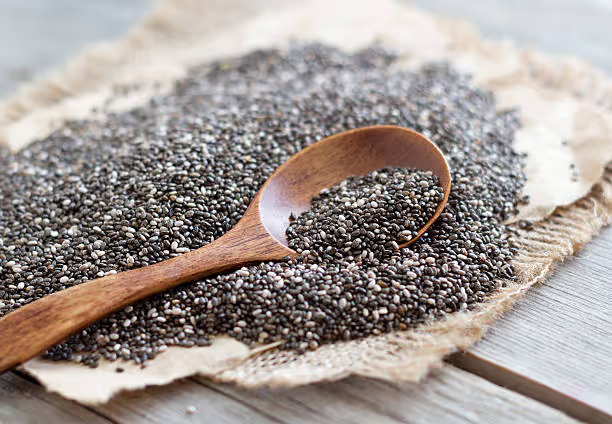
Chia seeds are derived from plant Salvia hispanica L. They’re believed to be native to Central America. These tiny seeds have created a massive buzz and everyone loves it. They are packed with nutrients, making them a must-have in every diet. But did you know there are two types of chia seeds—black and white? In this blog, we’ll explore everything you need to know about black chia seeds, their benefits, how they differ from white chia seeds, and why roasted black chia seeds are becoming a popular choice. Let’s dive in!
What are black chia seeds?
Black chia seeds come from the Salvia hispanica plant, a member of the mint family. These seeds are known for their high fiber, protein, and omega-3 fatty acids content,making them a powerful superfood in India as well. They have a mild, nutty flavor and can be easily incorporated into various dishes.
Salvia hispanica plant
Nutritional breakdown of black chia seeds
Rich in omega-3 fatty acids – Supports heart and brain health.
High fiber content – Aids digestion and promotes gut health.
Excellent source of plant-based protein – Ideal for vegans and vegetarians.
Loaded with antioxidants – Helps fight free radicals and reduce inflammation.
Packed with essential minerals – Calcium, magnesium, and phosphorus for bone health.
Contains vitamins- Vitamin B1 (Thiamine) & Vitamin B3 (niacin) for energy production.
The high omega-3 content in black chia seeds helps reduce bad cholesterol, lower blood pressure, and improve overall heart function.
2. Aids digestion & gut health
With over 10 grams of fiber per serving, these seeds promote a healthy digestive system and prevent constipation.
3. Boosts energy & endurance
Black chia seeds are often referred to as a “endurance fuel” due to their ability to sustain energylevels for extended periods.
4. Assists in weight management
The combination of fiber, protein, and healthy fats helps keep you full for longer, reducing unnecessary snacking. But the studies have shown mixed results when it comes to weight loss.
5. Regulates blood sugar levels
The slow-digesting nature of chia seeds helps maintain stable blood sugar levels, making them beneficial for diabetics.
6. Rich in antioxidants
Antioxidants in chia seeds not only protect the fats in them from going spoiled but also fights free radicals in our body that causes aging or diseases like cancer.
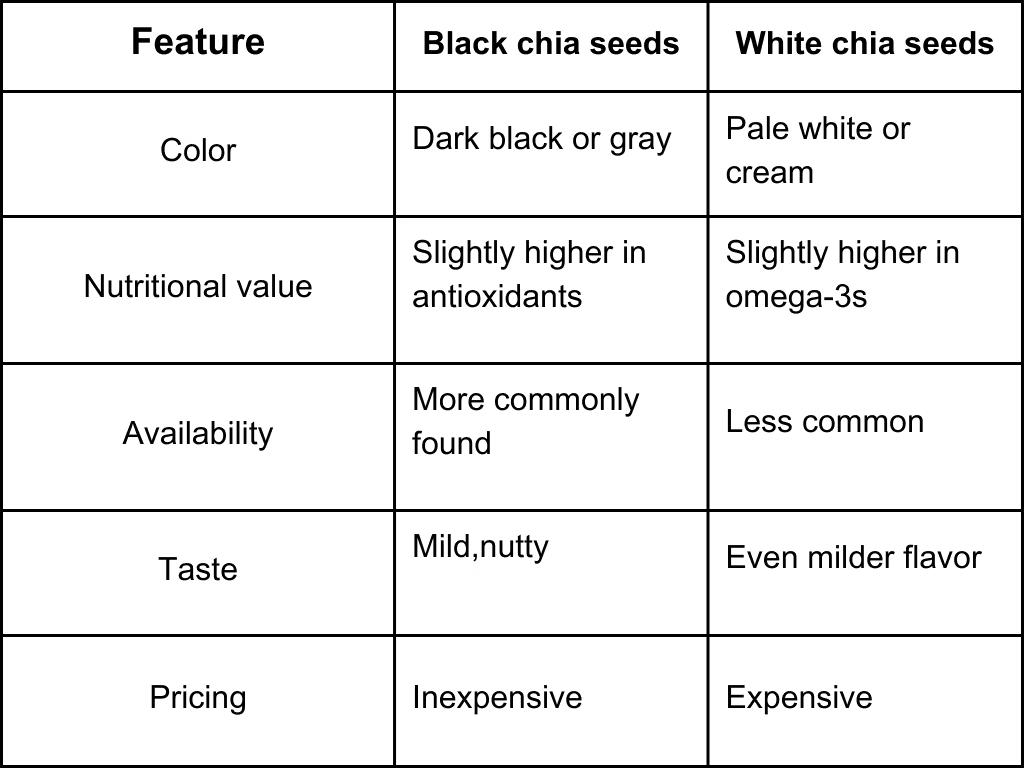
Difference between black & white chia seeds
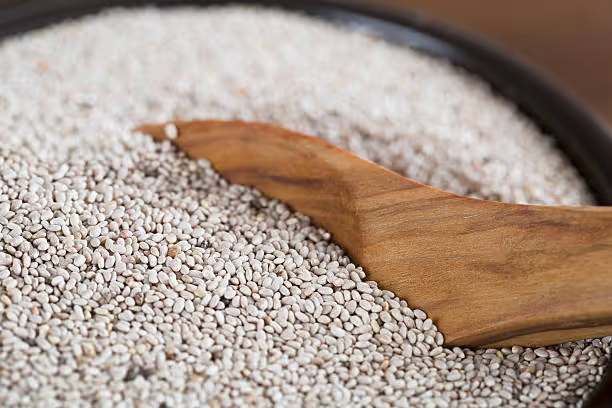
Many people wonder about the difference between black & white chia seeds. The main difference is their color due to their genetic variation. While both are nutritionally similar, there are a few key distinctions:
A chart that differentiates between Black chia seeds & White chia seeds
While both types offer incredible health benefits, choosing between them often comes down to personal preference.
How to incorporate black chia seeds in your diet
1. Chia pudding
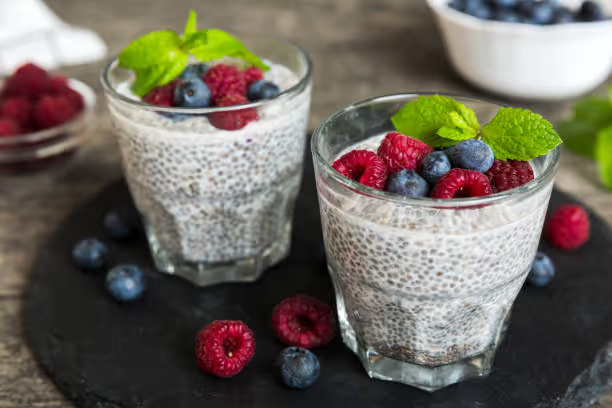
Soak black chia seeds in almond milk or coconut milk overnight. Add honey, fruits, and nuts for a delicious breakfast.
2. Smoothies
Blend a spoonful of chia seeds into your favorite smoothie for an instant fiber and protein boost.
3. Energy bars
Make homemade chia seed energy bars using dates, oats, and nuts for a quick and healthy snack.
4. Sprinkled over meals
Add a crunch to your salads, soups, or yogurt by sprinkling black chia seeds over them.
5. Baking ingredient
Use chia seeds in bread,muffins, or pancakes as a nutritious alternative to eggs (when mixed with water, they form a gel-like consistency that works as a binding agent).
Roasted black chia seeds: A crunchy & nutritious twist
If you love a crunchier texture, try chia seeds roasted! Roasting enhances their flavor and makes them a perfect topping for salads, yogurts, and even breakfast bowls. Roasted black chia seeds retain all their nutritional goodness while adding a delicious nutty taste to your meals.
How to roast black chia seeds at home
Preheat a dry pan over low heat.
Remove from heat and allow them to cool before storing in an airtight container.
Add chia seeds and stir continuously to prevent burning.
Roast for 2-3 minutes until they start to pop slightly.
Roasted chia seeds can be stored for weeks and are a great on-the-go snack or addition to your favorite dishes.
What to look for before buying black chia seeds?
When purchasing black chia seeds, always look for organic, pesticide-free, and non-GMO varieties to ensure the highest quality. You can find them in supermarkets, health stores, and online marketplaces.
Conclusion
Black chia seeds are a nutritional powerhouse that offer numerous health benefits. Whether consumed raw, soaked, or roasted, they are an excellent addition to any diet.If you’ve been wondering about the difference between white and black chia seeds, now you know that both are great, with slight variations in nutrients. And if you’re looking for a crunchier option, roasted black chia seeds are a fantastic choice!
Bring superfoods to your store
Join thousands who are creating their stores and selling products like these to earn an income or to buy products at wholesale prices for themselves, friends and family. Create your store today and take your business to the next level!
Healthy, glowing skin doesn’t happen overnight—but a goodnights sleep and a right night serum can certainly speed up the process! Designed to work while you sleep, night serums deliver powerful ingredients deep into your skin, helping it repair,hydrate, and rejuvenate. Whether you’re tackling fine lines, dullness, or dehydration, the right serum can transform your face care routine and boost your skincare game.
What is a night serum?
A night serum is a concentrated skincare formula packed with active ingredients like hyaluronic acid, retinol, ceramides & peptides that work overnight to improve skin texture, hydration, and elasticity. Unlike heavy night creams, serums are lightweight and absorb quickly, delivering potent ingredients directly into the skin’s deeper layers.
Why is night serum essential for your skin?
Your skin has a tendency of performing natural repair and regeneration while you sleep for the damage caused by the day aggressors like pollution, UV rays, etc. A night serum enhances this process, the dynamic benefits of face serum include:
· Hydration – Ingredients like hyaluronic acid serum deeply hydrates and plumps the skin up.
· Anti-Aging Benefits – Helps reduce fine lines, wrinkles.
· Even Skin Tone – Fades dark spots, acne scars, and hyperpigmentation.
· Skin Barrier Repair – Strengthens the skin’s natural defense against pollutants.
· Oil Control & Acne Prevention – Regulates sebum production and minimizes breakouts.
How to choose the best night serum for your skin type
For Dry Skin: Look for serums with hyaluronic acid serum, glycerin, and ceramides to lock in moisture.
For Oily & Acne-Prone Skin: Go for serums with niacinamide, salicylic acid, and lightweight hydrators.
For Combination Skin: Select a balanced formula with both hydration and oil-controlling ingredients.
For Aging Skin: Choose serums enriched with retinol, peptides, and antioxidants for anti-aging benefits.
How to apply night serum for best results
People often wonder, 'How to use face serum correctly?' here are few basic steps you can follow:
1. Cleanse – Wash your face with a mild cleanser to remove dirt and oil.
2. Tone – Apply a toner with a cotton pad for better serum absorption.
3. Apply Serum – Use a few drops of your night serum and gently pat it into your skin.
4. Moisturize – Follow with a light weight moisturizer to seal in hydration.
5. Get Beauty Sleep – Let the serum work its magic overnight!
Top ingredients to look for in a night serum
1. Hyaluronic acid serum: Intense hydration
Hyaluronic acid serum is a must-have if your skin feels dry or tight. This striking ingredient has an ability to draw & lock in moisture, keeping your skin plump and hydrated overnight. It also helps reduces fine lines and restores a youthful glow.
2. Vitamin C serum for face: Brightening & skin toning
A vitamin C serum for the face works wonders on dull and tired skin. It fights oxidative stress, evens out skin tone, and boosts collagen production. When used in a night serum, it helps repair skin damage from sun exposure and pollution.
3. Serum for pigmented skin: Fading dark spots
Fighting against uneven skin tone? A serum for pigmented skin containing niacinamide or licorice extract can help reduce dark spots and prevent new ones from forming. Italso has anti-inflammatory & anti-microbial properties offering a calming effect for the people who have sensitive skin. Consistent use leads to a more even and radiant complexion.
Night Serum vs. Day Serum: What’s the difference?
They’re the duos that deliver, but they serve different purposes.
· A night serum often contains multiple active ingredients like retinol (reduce fine lines & wrinkles), peptides (enhance collagen production), and antioxidants( to fight against free radicals) to target various skin concerns. Retinols are photosensitive and are activated at night minimizing the risk of any irritation.Night serums repair and rejuvenate the skin from the damage sustained during the day time.
· A day serum usually focuses on protecting from the day-to-day environmental stressors like pollution, UV rays, dust, etc. They mainly include hyaluronic acid serums ( hydration purpose), antioxidants, niacinamide (reduces pigmentation & evens out the skin) to target skin concerns.
Why choose the right night serum?
The right serum can make a world of difference in your skin’s health. Whether you need a hyaluronic acid serum for deep hydration or a targeted night serum for anti-aging, consistency is key. The right products will-
· Prevent skin issues–The right one keeps your skin balanced and healthy.
· Target specific concerns– Whether it's acne, wrinkles, or dullness, the right product delivers ingredients that solve your skin problems effectively.
· Enhances skin health– A well-matched product nourishes, hydrates, and protects your skin,leading to long-term benefits.
Common mistakes to avoid when using a night serum
Using too much product – A little goes a long way!
Skipping moisturizer – Always lock in hydration with a moisturizer.
Applying on dirty skin – Always cleanse before applying serum.
Not being consistent – Regular use is key to seeing results.
Investing in the right night serum can completely transform your skin. Whether you need hydration, brightening, or anti-aging benefits, the right formula will help you wake up looking refreshed and radiant.
Sell premium skincare for free!
Want to sell top-quality skincare products with zero investment? Sell these products free of cost in your store today! Open your store now and take your business to the next level with Wcommerce.
FAQs
1. When to use Vitamin C serum, day or night?
It can be used both in the morning & in night but it serves different purposes. In the morning it protects you against environmental pollutants & at night it helps in repair & rejuvenation.
2. Can face serum reduce pigmentation?
Yes, a good serum containing the right ingredients like niacinamide or licorice can help you reduce pigmentation. Consistent use of these serums is recommended for optimal results.
3. Can face serum cause acne?
They usually do not, but if the serum is overused or the ingredients concentration is high it can cause itching and redness. If one experiences severe irritation, dryness or breakouts, stop using the serum and consult a professional.
Roasted sunflower seeds have been popular snack for centuries, known for their crunchy texture and high nutritious profile and are also viewed as one of the superfoods in India. Whether eaten on their own or added to various dishes like trail mix, multi-grain breads, granola bars etc. they offer dynamic health benefits.
What are sunflower seeds?
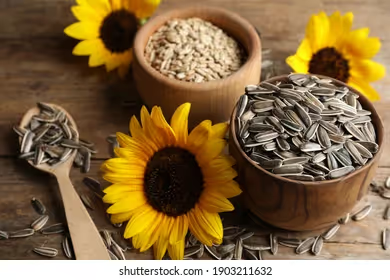
Sunflower seeds are obtained from the fruits of sunflower plant (Helianthus Anus). There are two types of sunflower crops grown- one for the seeds that we consume, and the other majorly is farmed for sunflower oil.
The sunflower seeds that we consume are enclosed in an indigestible black and white stripped shell. The shell needs to be cracked open before consuming the kernel. To make the job simpler for the buyers they are sold in pre-shelled packs.
Roasted Sunflower seeds elevate this experience by enhancing flavour & making them a guilt free snack for anytime of the day.
Health benefits of roasted sunflower seeds
Top health benefits of Roasted Sunflower Seeds You Need to Know -
· Rich in Nutrients – Loaded with Vitamin E, magnesium, and healthy fats.
· Boosts Immunity – Strengthens your body’s defense against illnesses.
· Supports Heart Health – Packed with antioxidants and unsaturated fats.
· Enhances Skin & Hair – Vitamin E promotes youthful skin and strong hair.
· Aids Digestion – Fiber-rich, gluten free keeping your gut happy and healthy.
· Regulates Blood Sugar – A great snack option for balanced energy levels.
· Muscle support- High in Magnesium for energy and muscle recovery.
Sunflower seed benefits for Men & Women-
For Men:
Supports muscle growth – Rich in protein and magnesium for muscle function.
Boosts testosterone levels – Zinc and healthy fats help maintain hormonal balance.
Improves heart health – Reduces bad cholesterol and supports cardiovascular function.
Enhances energy levels – Provides sustained energy, perfect for active lifestyles.
Promotes healthy skin & hair – Vitamin E and antioxidants keep skin glowing and hair strong.
Supports hormonal balance – Magnesium and B vitamins aid in reducing PMS symptoms.
Strengthens bones – Loaded with essential minerals like calcium and magnesium.
Aids in weight management – High fiber content helps in keeping you full for longer.
Aids in fertility- Selenium helps with reproductive health & fertility.
The Raw vs. Roasted Sunflower Seeds debate. Which is better?
Both raw and roasted sunflower seeds offer remarkable nutrition, but roasting enhances the taste and crunch, making them flavourful. Roasted sunflower seeds also have a longer shelf life and better absorbability,making them a preferred choice for daily consumption. While raw seeds retain slightly more enzymes, roasting boosts flavour and reduces phytic acid, which hinders with the absorption of essential minerals hence improving nutrient absorption.
Delicious ways of incorporating roasted sunflower seeds in your diet:
1. Straight out of the pack – A convenient, on-the-go snack.
2. Sprinkle on salads – Adds a delightful crunch to greens.
3. Mix in smoothies – A nutritious boost for your shakes.
4. Include in trail mix– Combine with nuts and dried fruits for an energy-packed snack.
5. Baking & Cooking – Great for adding texture to bread, cookies, and granola bars.
6. Homemade Energy Bars – Blend with dates, oats, and honey for a natural protein bar.
Probable downsides:
While these seeds are generally safe, consuming them in excess quantity can have significant side effects-
·Calorie dense- Although rich in essential nutrients, they also have a high caloric density.
·Digestive issues- Consumption in large quantity can lead to blockage in bowel or constipation.
·Kidney issues- The plant takes the Cadmium content from its roots and deposits it in the seeds, if not taken in moderation can lead to kidney problems.
·Allergies- Though uncommon, some cases have been reported with reactions as rashes, asthma, itching, anaphylaxis.
Why Choose Nourish you's roasted sunflower seeds?
Nourish You brings premium-quality, perfectly roasted sunflower seeds, free from artificial preservatives and additives. They are natural, delicious, and perfect for a healthy lifestyle. Whether you’re snacking solo or mixing them into a trail mix, their seeds offer superior taste and nutrition.
Bring superfoods to your store
Start EARNING by selling premium superfoods through your own store at zero cost? Add and sell nourish you products free of cost through your store starting today!Open your store today!
FAQ’s
1. Are roasted sunflower seeds better than raw?
Roasted sunflower seeds have a crunchy texture and a more intense,nutty flavour compared to raw seeds. But raw sees retain slightly more enzymes.
2. How to roast sunflower seeds?
a) Preheat the Oven – Set your oven to 325°F (160°C).
b) Prepare the Seeds – If using shelled sunflower seeds, rinse them thoroughly and pat dry.
c) Spread on a Baking Sheet – Arrange the seeds in a single layer to ensure even roasting.
d) Roast – Bake for 10-15 minutes, stirring occasionally until they turn golden brown and release a nutty aroma.
3. Are roasted sunflower seeds good for weight loss?
Due to their high protein and fiber content, it keeps you satiated and full for long time. Helps manage calorie intake.
Introduction to face serums: your skin’s best friend
What is a face serum?
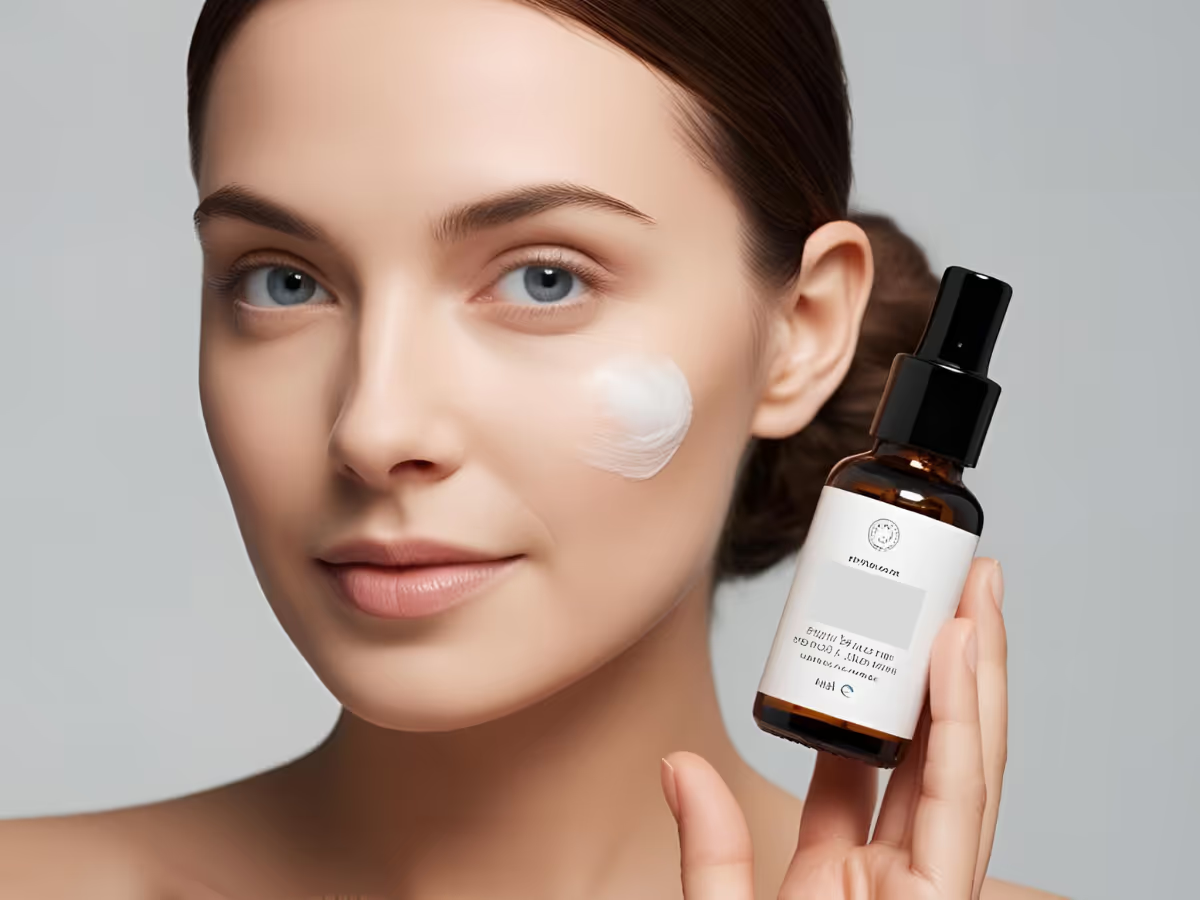
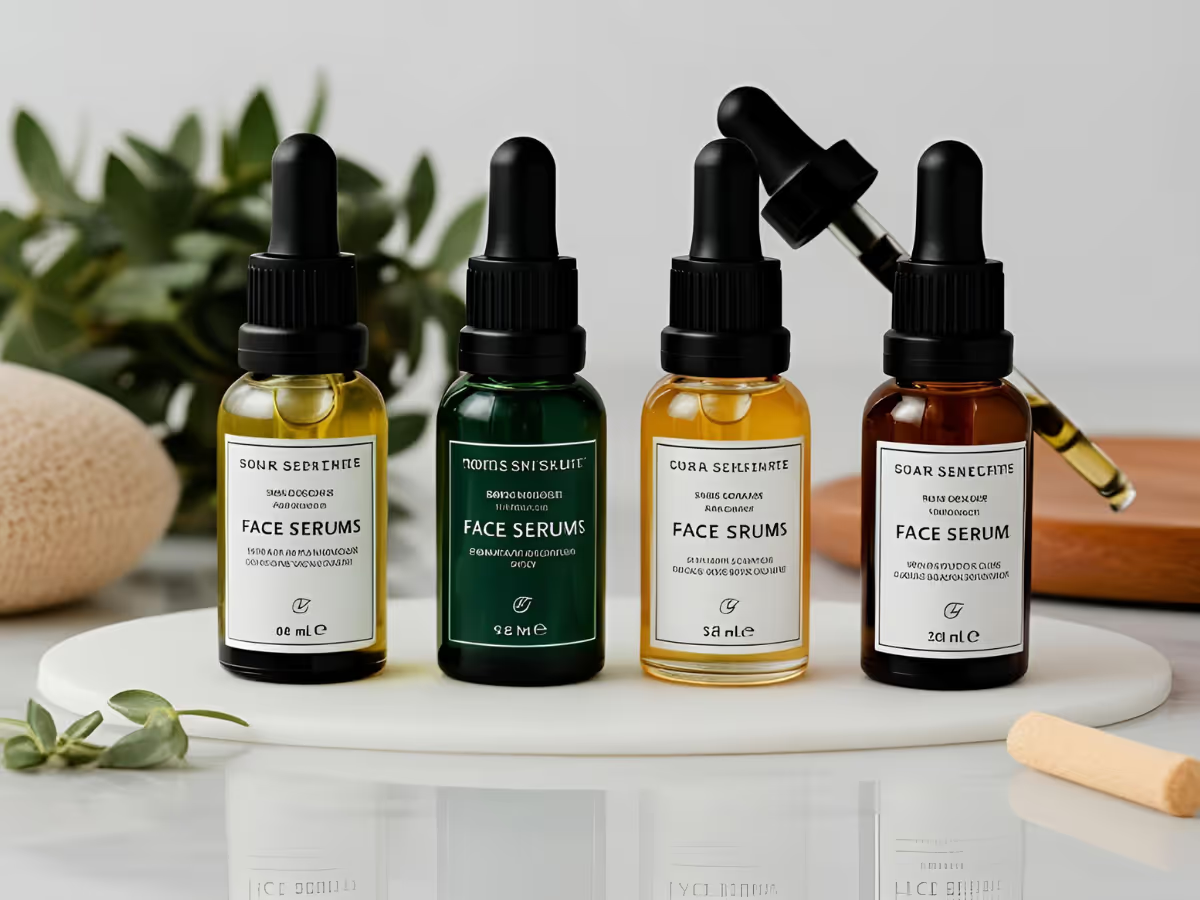
A face serum is a lightweight, fast-absorbing skincare product packed with active ingredients designed to target specific skin concerns. Unlike moisturizers, which focus on hydrating and sealing in moisture, serums penetrate deeper into the skin to deliver powerful nutrients, antioxidants, and other beneficial compounds. Think of it as a concentrated boost of goodness for your skin! But to get the most out of it, it’s important to know how to use a face serum correctly—applying it the right way ensures your skin reaps all the benefits.
Why is it an essential part of skincare?
If you’re serious about taking care of your skin, a face serum is a must-have in your routine. It’s like the secret weapon that steps in where your cleanser and moisturizer can’t. While cleansers remove dirt and moisturizers lock in hydration, serums work on a deeper level to repair, protect, and enhance your skin’s health. Whether you’re dealing with dryness, dullness, or fine lines, a serum can make a noticeable difference.
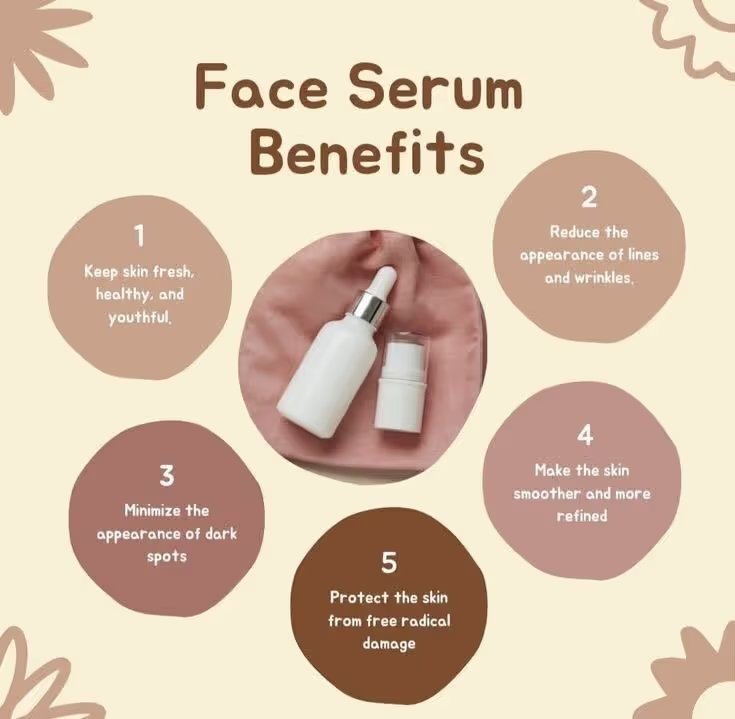
Benefits of using a serum
Here’s why you’ll love adding a serum to your daily routine:
Hydration Boost: Many serums contain hyaluronic acid, a superstar ingredient that attracts and holds moisture, leaving your skin plump and dewy.
Anti-Aging Power: Ingredients like retinol, peptides, and vitamin C help reduce fine lines, wrinkles, and sagging, giving your skin a firmer, more youthful appearance.
Brightening Effect: Struggling with dark spots or uneven skin tone? Serums with vitamin C, niacinamide, or alpha arbutin can help fade discoloration and give you a radiant glow.
Targeted Solutions: Whether it’s acne, redness, or sensitivity, there’s a serum out there designed to address your specific skin concerns.
Understanding different types of serums
Not all serums are created equal—each type is formulated to address specific skin concerns. Whether you’re looking to hydrate, brighten, fight acne, or turn back the clock on aging, there’s a serum out there for you. Let’s break down the most common types and their star ingredients:
1. Hydrating serums (Hyaluronic acid)
If your skin feels dry, tight, or dehydrated, a hydrating serum is your go-to. These serums often feature hyaluronic acid, a moisture-binding ingredient that can hold up to 1,000 times its weight in water. They work like a tall drink of water for your skin, plumping it up and restoring a healthy, dewy glow. Perfect for all skin types, especially dry or dehydrated skin.
2. Brightening serums (vitamin c, niacinamide)
Struggling with dark spots, uneven tone, or dullness? Brightening serums are here to save the day. Vitamin C is a powerhouse antioxidant that fades pigmentation and boosts radiance, while niacinamide (a form of vitamin B3) helps even out skin tone and reduce redness. These serums leave your skin looking luminous and refreshed.
3. Anti-aging serums (retinol, peptides)
Want to smooth fine lines, wrinkles, or sagging skin? Anti-aging serums are your best bet. Retinol, a derivative of vitamin A, speeds up cell turnover and boosts collagen production, while peptides help rebuild skin structure for a firmer, more youthful appearance. These serums are ideal for mature skin or anyone looking to prevent early signs of aging.
4. Acne-fighting serums (salicylic acid, tea tree oil)
For those battling breakouts, acne-fighting serums can be a game-changer. Salicylic acid exfoliates inside pores to unclog them and reduce inflammation, while tea tree oil has natural antibacterial properties to calm angry pimples. These serums help clear acne, prevent future breakouts, and keep your skin balanced.
5. Soothing serums (centella asiatica, aloe vera)
If your skin is sensitive, red, or irritated, soothing serums are your skin’s best friend. Ingredients like centella asiatica (also known as cica) and aloe vera work to calm inflammation, repair the skin barrier, and reduce redness. These serums are gentle yet effective, making them perfect for reactive or sensitive skin types.
No matter your skin concern, there’s a serum tailored to your needs. The key is to choose one that aligns with your goals and use it consistently for the best results.
How to choose the right serum for your skin type
Choosing the right serum can feel like finding the perfect pair of shoes—it needs to fit just right! The key is to understand your skin type and pick a serum that addresses its unique needs. Here’s a simple guide to help you make the best choice, along with some top recommendations for each category.
1. Oily skin
If your skin tends to get shiny or greasy, especially in the T-zone, you’ll want a serum that controls oil without clogging pores.
Look for: lightweight, oil-free serums with ingredients like niacinamide (to regulate oil production), salicylic acid (to unclog pores), or tea tree oil (to fight acne-causing bacteria).
Avoid: heavy, oil-based serums that can make your skin feel greasier.
Combination skin can be tricky—oily in some areas (like the T-zone) and dry in others (like the cheeks). You’ll need a balanced serum that addresses both concerns.
Look for: lightweight, multitasking serums with niacinamide (to balance oil), hyaluronic acid (to hydrate dry patches), or antioxidants (to protect the skin).
Avoid: heavy, overly rich formulas that might make oily areas worse.
Plum 10% niacinamide face serum with rice water (also great for brightening!)
SkinCeuticals C E ferulic (for antioxidant protection and brightening)
No matter your skin type, the right serum can work wonders. Take the time to understand your skin’s needs, and don’t be afraid to experiment (gently!) to find your perfect match. Once you’ve chosen your serum, the next step is learning how to layer it properly in your skincare routine. Ready to dive in?
Step-by-step guide to applying face serum
Using a face serum is simple, but applying it the right way can make all the difference. Follow these steps to ensure your serum works effectively and gives you the best results.
Cleanse your face Start with a clean slate. Use a gentle cleanser to remove dirt, oil, and makeup. This ensures your serum can penetrate deeply without any barriers.
Exfoliate (optional) Exfoliate 2-3 times a week if your skin feels rough or dull. This removes dead skin cells, allowing the serum to absorb better. Use a mild exfoliant suited to your skin type.
Apply a toner After cleansing, apply a toner to balance your skin’s pH and prep it for the serum. This step enhances absorption and boosts the serum’s effectiveness.
Use the right amount A little goes a long way. Take 2-3 drops of serum—enough to cover your face and neck. Using too much can waste product and leave a sticky residue.
Pat, don’t rub Instead of rubbing the serum into your skin, gently pat it in with your fingertips. This helps the serum absorb better and prevents unnecessary pulling on your skin.
Wait for absorption Give the serum a minute or two to sink into your skin before layering other products. This ensures maximum benefits.
Lock it in with moisturizer and sunscreen (morning routine)
Moisturizer: seals in the serum’s benefits and keeps your skin hydrated.
Sunscreen: a must in the morning, especially if you’re using serums with active ingredients like vitamin c or retinol. It protects your skin from UV damage and premature aging.
Pair with a night cream or facial oil (night routine) At night, follow up your serum with a nourishing night cream or facial oil. This helps repair and hydrate your skin overnight, enhancing the serum’s effectiveness.
Tip: consistency is key. Make serum application a part of your daily routine for visible results over time.
Best time to use face serum
Morning or Night
Knowing when and how to use your face serum can maximize its benefits. here’s a breakdown of morning vs. night application and tips for layering with other skincare products.
Morning application
Using a serum in the morning helps protect and prep your skin for the day ahead.
Best serums for morning:
Vitamin c – brightens skin and protects against free radicals from pollution and uv rays.
Hyaluronic acid – hydrates and plumps the skin, creating a smooth base for makeup.
Niacinamide – calms redness and controls oil production.
How to layer:
Cleanse your face
Apply toner (if used)
Apply serum (2-3 drops, pat gently)
Follow with moisturizer
Finish with sunscreen (a must in the morning)
Why morning?
Vitamin c serums work well during the day because they boost your skin’s defense against environmental damage.
Hydrating serums like hyaluronic acid keep your skin plump and glowing throughout the day.
Night application
Nighttime is when your skin repairs itself, making it the perfect time to use targeted treatments.
Best serums for night:
Retinol – stimulates collagen production and reduces fine lines.
Peptides – helps repair and firm the skin.
Hydrating serums (hyaluronic acid) – replenishes moisture lost during the day.
Brightening serums (alpha arbutin, licorice root extract) – fades dark spots while you sleep.
How to layer:
Cleanse your face
Exfoliate (optional, 2-3 times a week)
Apply toner (if used)
Apply serum (2-3 drops, pat gently)
Follow with a night cream or moisturizer
Optional: add a face oil for extra hydration
Why night?
Your skin’s cell turnover is highest at night, so active ingredients like retinol work more effectively.
Without exposure to sunlight or pollution, your skin can focus on repair and regeneration.
Layering with other skincare products
Layering serums correctly ensures they work effectively without causing irritation. here’s how to do it:
Start with the lightest product – always apply serums before heavier products like moisturizers or oils.
Water-based first, oil-based last – if you’re using multiple serums, apply water-based ones (like hyaluronic acid) before oil-based ones.
Wait between layers – give each product 1-2 minutes to absorb before applying the next.
Avoid overloading – stick to 1-2 serums at a time to avoid overwhelming your skin.
Quick tips for using serums
Patch test – always patch test new serums to avoid allergic reactions.
Consistency is key – use your serum daily (or as directed) for the best results.
Adjust based on skin needs – if your skin feels dry, focus on hydration. if you’re targeting aging or acne, choose serums with retinol or salicylic acid.
By understanding the best time to use your serum and how to layer it properly, you’ll get the most out of your skincare routine. whether it’s morning or night, your skin will thank you.
Common mistakes to avoid when using face serums
Using a face serum can transform your skin, but only if you use it correctly. Here are some common mistakes people make and how to avoid them:
1. Using too much product
Mistake: Applying more serum than needed, thinking it will work better.
Why it’s bad: Overloading your skin can lead to irritation, clogged pores, or a sticky, uncomfortable feeling.
Fix: Use 2-3 drops of serum—this is usually enough to cover your face and neck. A little goes a long way!
2. Applying on dry skin (unless instructed otherwise)
Mistake: Applying serum on completely dry skin, especially hydrating serums like hyaluronic acid.
Why it’s bad: Some serums, particularly water-based ones, work best on damp skin to lock in moisture.
Fix: Spritz your face with water or apply the serum right after toning while your skin is still slightly damp.
3. Mixing incompatible ingredients
Mistake: Combining ingredients that don’t work well together, like vitamin C and retinol or AHA/BHA with retinol.
Why it’s bad: Some ingredients can cancel each other out or cause irritation when used together.
Fix:
Use vitamin C in the morning and retinol at night.
Avoid using exfoliating acids (like glycolic or salicylic acid) at the same time as retinol.
Always check ingredient compatibility before layering products.
4. Skipping sunscreen after using active ingredients
Mistake: Not using sunscreen during the day, especially after using active ingredients like retinol, AHAs, or vitamin C.
Why It’s Bad: Active ingredients can make your skin more sensitive to UV rays, leading to sun damage, pigmentation, or irritation.
Fix: Always apply a broad-spectrum sunscreen (SPF 30 or higher) in the morning, even on cloudy days.
5. Not patch testing new serums
Mistake: Skipping the patch test and applying a new serum all over your face right away.
Why it’s bad: Some serums contain potent ingredients that can cause allergic reactions or irritation.
Fix: Always patch test a new serum by applying a small amount on your wrist or behind your ear. Wait 24 hours to see if there’s any reaction before using it on your face.
6. Over-exfoliating before using serums
Mistake: Exfoliating too often or using harsh exfoliants before applying serums.
Why it’s bad: Over-exfoliation can strip your skin’s natural barrier, making it more sensitive and prone to irritation when using active serums.
Fix: Limit exfoliation to 2-3 times a week and use gentle exfoliants. Always follow up with a soothing serum or moisturizer.
7. Expecting overnight results
Mistake: Giving up on a serum too soon because you don’t see immediate results.
Why it’s bad: Most serums take time to show visible improvements. Consistency is key!
Fix: Use the serum as directed for at least 4-6 weeks before judging its effectiveness.
By avoiding these common mistakes, you’ll get the most out of your face serum and achieve healthier, glowing skin. Remember, skincare is all about patience and consistency!
FAQs & additional tips
Here are answers to some frequently asked questions about face serums, along with extra tips to help you get the most out of your skincare routine.
1. How long does it take to see results?
Answer: It depends on the serum and your skin concerns, but most serums take 4-6 weeks to show visible results.
Hydrating serums (e.g., hyaluronic acid): You may notice plumper, smoother skin within a few days.
Brightening serums (e.g., vitamin c): Results like reduced dark spots or a glowing complexion can take 4-6 weeks.
Anti-aging serums (e.g., retinol): Improvements in fine lines and wrinkles may take 6-8 weeks or longer.
Tip: Be patient and consistent! Skincare is a long-term commitment.
2. Can serums be used with other skincare treatments?
Answer: Yes, but it depends on the ingredients and treatments. Here’s how to layer them safely:
With moisturizers: Always apply serums before moisturizers. Serums penetrate deeper, while moisturizers lock in hydration.
With exfoliants: Avoid using strong exfoliants (like ahas/bhas) at the same time as active serums (like retinol). Use them on alternate days or at different times (e.g., exfoliate at night, use serum in the morning).
With face oils: Apply serums first, then layer face oils on top if needed.
With acne treatments: If using acne treatments (like benzoyl peroxide), check for compatibility with your serum ingredients to avoid irritation.
3. How to store serums properly?
Answer: Proper storage ensures your serum stays effective and safe to use.
Keep it cool: Store serums in a cool, dry place away from direct sunlight. Some serums (like vitamin c) are sensitive to light and heat.
Check the packaging: Airless pumps or opaque bottles help protect sensitive ingredients. Avoid clear bottles for light-sensitive serums.
Close tightly: Always seal the bottle or container tightly to prevent contamination or oxidation.
Refrigerate (if needed): Some serums, like vitamin c or peptides, last longer when refrigerated. Check the label for storage instructions.
4. Can I use multiple serums at once?
Answer: Yes, but don’t overdo it. Stick to 1-2 serums at a time to avoid overwhelming your skin.
How to layer: Apply the thinnest, water-based serum first (e.g., hyaluronic acid), followed by thicker or oil-based serums.
Avoid overlapping actives: Don’t mix strong actives like retinol and vitamin c in the same routine. Use them at different times (e.g., vitamin c in the morning, retinol at night).
5. Can I use a serum if I have sensitive skin?
Answer: Yes, but choose gentle, soothing serums with ingredients like:
Centella asiatica: Calms irritation and redness.
Aloe vera: Hydrates and soothes.
Niacinamide: Reduces redness and strengthens the skin barrier.
Tip: Always patch test new serums and introduce them slowly (1-2 times a week) to avoid irritation.
6. Do I need a serum if I already use a moisturizer?
Answer: Yes! Serums and moisturizers serve different purposes.
Serums: Deliver active ingredients deep into the skin to target specific concerns (e.g., hydration, brightening, anti-aging).
Moisturizers: Lock in hydration and create a protective barrier on the skin’s surface.
Tip: Use both for a complete skincare routine. Apply serum first, then moisturizer.
7. Can I use a serum around my eyes?
Answer: It depends on the serum. Some serums are gentle enough for the eye area, but avoid strong actives like retinol or acids unless the product is specifically formulated for the eyes.
Tip: Look for eye serums or creams designed for the delicate eye area.
Conclusion
Using face serums correctly is essential for achieving the best results. From applying the right amount to layering products properly, small mistakes can impact how well your serum works. Proper usage ensures that your skin gets the full benefits without irritation or unwanted side effects.
Consistency is key when it comes to skincare. Serums take time to show visible improvements, so regular use and patience are essential. By following the right routine and avoiding common mistakes, you can maximize the effectiveness of your serum and achieve healthier, glowing skin.
Beauty lovers, it’s time to be your own boss!
Passionate about beauty and wellness? Turn your love for skincare, makeup, and self-care into a thriving business with WCommerce —where beauty enthusiasts become entrepreneurs!
Create your own online beauty store for free.
Sell top beauty and wellness products effortlessly.
Earn profits on every sale with no upfront investment.
Why just follow beauty trends when you can profit from them? Explore our catalog, stock your store with top beauty products, and start selling effortlessly in no time!
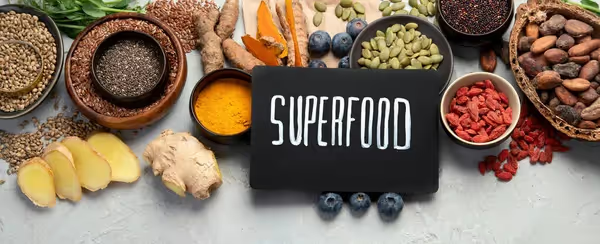
Superfoods have taken the health world by storm, and for good reason. These nutrient-packed foods provide a powerhouse of essential vitamins, minerals, and antioxidants that help boost immunity, improve digestion, and promote overall well-being. Whether you’re looking for antioxidant-rich foods in India, omega-3 rich vegetarian foods, or a convenient and nutritious snack like trail mix, superfoods can transform your diet and health. Let’s explore why superfood in India is gaining popularity and how you can benefit from adding them to your daily routine.
What are Superfoods?
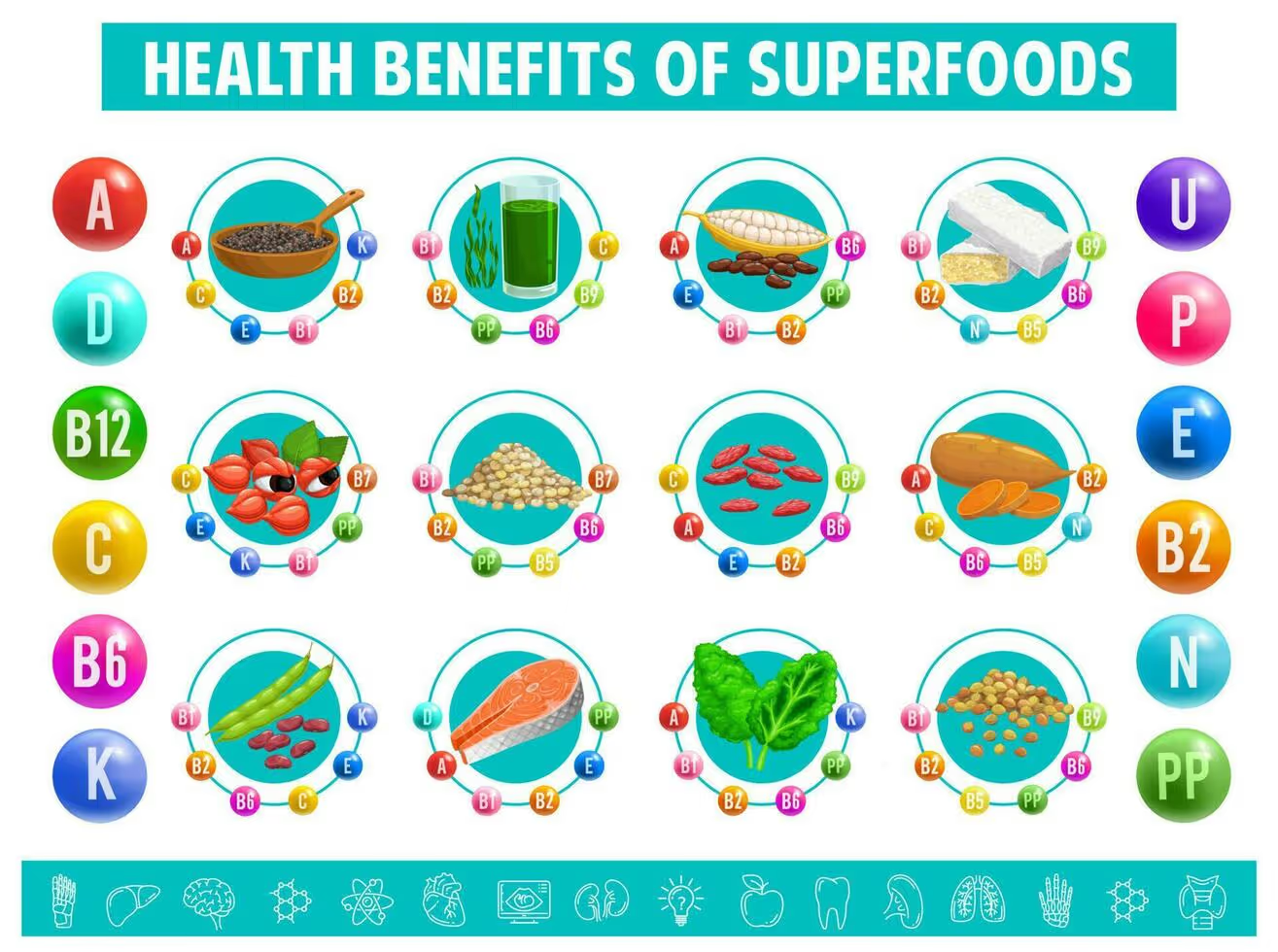
The term was coined for commercial purposes to highlight their role in influencing food trends and promoting healthier eating choices. These nutrient-rich foods are packed with vitamins, minerals, and antioxidants that enhance immunity, improve digestion, and promote overall well-being. Whether you're looking to boost energy, support heart health, or achieve glowing skin, these food choices are a game changer in releasing your body’s full potential.
A spread of antioxidant rich fruits available in India
Superfoods come in various forms, each offering unique health benefits. Let’s explore some of the most powerful antioxidant-rich foods in India that you should include in your diet.
Fruits-
Loaded with antioxidants and essential nutrients, fruits help fight free radicals and promote longevity.
Berries (Blueberries, Goji, Strawberries): Antioxidant-rich and great for brain health.
Pomegranates: Supports heart function and improves circulation.
Avocados: Packed with healthy fats, fiber, and potassium for overall well-being.
Vegetables-
Leafy greens and cruciferous vegetables are a powerhouse of vitamins, fiber, and minerals:
Spinach : Rich in iron and vitamin C to boost immunity.
Broccoli: Contains sulforaphane, known for its cancer-fighting properties.
Sweet Potatoes: High in beta-carotene, promoting eye and skin health.
Power-Packed Nuts & Seeds-
Nuts and seeds provide healthy fats, protein, and essential minerals to fuel your body. These are excellent omega-3 rich vegetarian foods that support heart health and brain function:
Black Chia Seeds: High in omega-3s, fiber, and protein.
Flaxseeds: Aids digestion and helps regulate cholesterol levels.
Roasted Sunflower Seeds: Rich in vitamin E for skin and immune health.
Almonds and Walnuts: Boost brain function and heart health.
Whole Grains for Lasting Energy-
Whole grains are loaded with fiber and essential nutrients for sustained energy:
White Quinoa: A complete protein with all nine essential amino acids.
Brown Rice: Provides long-lasting energy and supports metabolism.
Oats: Helps in lowering cholesterol and balancing blood sugar.
Herbs & Spices-
Spices not only have flavor enhancing properties but also healing abilities:
Chickpeas: High in protein, aiding muscle growth and weight management.
Black Beans: Aids in blood sugar control and provides sustained energy.
Lentils: Promote heart health and improve digestion.
· Boosts Immunity: Strengthens the immune system to fight infections.
· Enhances Digestion: Fiber-rich foods improve gut health and digestion.
· Glowing Skin: Antioxidants protect against aging and enhance skin radiance.
· Heart Health: Superfoods like nuts, seeds, and fish lower the risk of heart disease.
· Sharpens Mental Focus: Certain superfoods enhance brain function and memory.
· Aids Weight Loss: Nutrient-rich foods keep you full and reduce cravings.
· Reduces Inflammation: Superfoods help fight chronic inflammation and diseases.
How to easily add superfoods to your diet?
Incorporating superfoods into your daily meals doesn’t have to be complicated. Here are some simple and delicious ways to enjoy their benefits every day:
· Power-Packed Breakfast: Blend a smoothie with berries, black chia seeds, and almonds for an energizing start to your morning.
· Wholesome Lunch: Toss together a quinoa salad with nuts, seeds, and vibrant vegetables for a nutrient-rich meal.
· Smart Snacking: Swap processed snacks for a handful of trail mix, featuring almonds, walnuts,and dried fruits, for sustained energy.
· Nourishing Dinner: Enjoy a comforting lentil soup infused with turmeric and garlic to support digestion and immunity.
Superfoods made easy with Nourish You
Finding high-quality superfood in India has never been easier. Nourish You offers a range of premium, organic, and nutrient-packed superfoods that fit seamlessly into your diet. From antioxidant-rich foods in India like superseed mix to omega-3 rich vegetarian foods such as black chia seeds and flaxseeds, they bring you nature’s best ingredients to support a healthy lifestyle. Even if you're looking for a quick, nutritious snack, their trail mix is a perfect choice!
Bring Superfoods to your store
Join thousands who are creating their stores and selling products like these to earn an income or to buy products at wholesale prices for themselves, friends and family. Create your store today and take your business to the next level with superfoods that you & your customers will love!
Create your store with Wcommerce today and enjoy a zero subscription fee forever. Don't miss this exclusive opportunity to maximize your earnings without any monthly costs.













.avif)