Learn how to grow your income with tips and ideas about direct selling and starting your own wellness store. Read success stories and simple guides to help you succeed.
Want to start an online business without investing in inventory? Our complete guide to dropshipping in India explains how to start, what to sell, and how to succeed in 2025. Find out how thousands of Indians are building profitable online stores with zero inventory risk.
Looking to start an online business without keeping stock? Learn how to start a dropshipping business in India that can earn you good money from home. With India's ecommerce market expected to reach USD 350 billion by 2030, now is the perfect time to start your zero-inventory business.
To start dropshipping in India in 2025, you need:
Basic Setup: Rs 0-20,000
Website Cost: Rs 0-1500/month
Marketing Budget: Rs 5000-10,000/month
GST Registration: Rs 1500-2000 (optional)
With platforms like Wcommerce, you can start dropshipping without investment.
What is Dropshipping?
Dropshipping is a retail business model where you sell products online without keeping any stock. When customers buy from your online store, the supplier ships products directly to them. Recent studies show that 41% of Indian consumers now prefer online shopping, making ecommerce dropshipping an attractive business option.
How Dropshipping Works in India:
You create your online store
Customer orders from your store
You forward the order to supplier
Supplier ships directly to customer
You keep the profit margin
Dropshipping Business Checklist for 2025
Essential requirements to start:
Business Plan
Choose niche
Research products
Set pricing strategy
Legal Requirements
Email Address
Bank Account
Technical Setup
Online Store
Payment Gateway
Social Media Accounts
Marketing Plan
Social Media Strategy
Content Plan
Advertising Budget
Why Choose B2C Dropshipping in India?
The dropshipping business model in India offers many benefits for passive income:
Low investment to start
No inventory management
Work from anywhere
No warehouse needed
Wide product selection
Easy scalability
Step-by-Step Guide to Start Dropshipping
1. Choose Your Niche
Want to start an online business without investment? First, select products that:
Have growing demand
Are easy to ship
Offer 30-40% margin
Have less local competition
Popular categories in online retail:
Health & wellness products
Beauty and skincare
Fashion accessories
Home decor
Electronics accessories
2. Find Reliable Partners
Look for platforms like Wcommerce that offer:
Quality products
On-time shipping
Return handling
Order tracking
Customer support
3. Set Up Your Online Store
Choose from:
Ready platforms (fastest start)
Shopify (easy but paid)
Custom website (needs technical knowledge)
4. Price Your Products Competitively
Remember to:
Check market prices
Include shipping costs
Consider platform fees
Keep 30-40% margin
Stay competitive
5. Market Your Online Store
Best promotion channels:
WhatsApp business groups
Facebook & Instagram
Google ads
Local community groups
Friends & family networks
Market Potential and Growth
Recent market research indicates:
35% annual growth in online retail
79% increase in first-time online shoppers
54% growth in tier 2-3 city orders
Dropshipping Market Statistics 2025
Recent data shows promising growth in Indian ecommerce:
Indian ecommerce market to reach $188 billion by 2025
74% of Indian consumers shop online regularly
Tier 2 and 3 cities show 82% growth in online shopping
Mobile commerce accounts for 67% of all online sales
Common Challenges in Indian Dropshipping
Shipping and Logistics
Choose lightweight products
Focus on high-value items
Work with reliable shipping partners
Payment Processing
Use trusted payment gateways
Offer multiple payment options
Keep delivery proof
Building Trust
Show real product photos
Give honest delivery times
Respond quickly to queries
Start Without Investment
Begin your journey with:
Ready platforms like Wcommerce
Social media marketing
Free promotion tools
Gradual growth plan
Legal Requirements
Basic needs:
GST registration (for pan-India selling)
Bank account
Email address
Success Tips for Online Retail
Start small, grow steadily
Test market demand
Focus on customer service
Keep learning
Build customer loyalty
Ready to Start Your Journey?
The Indian ecommerce space is growing rapidly, making it the perfect time to start your dropshipping business. With thousands of successful online store owners already earning good income, you too can build a profitable business.
Remember:
Choose trending products
Use reliable platforms
Provide excellent service
Market consistently
Stay patient
Frequently Asked Questions About Dropshipping in India
1. Is dropshipping legal in India?
Yes, dropshipping is completely legal in India. You need basic business registrations like PAN and GST (if turnover exceeds ₹20 lakhs annually).
2. How much money do I need to start dropshipping?
You can start dropshipping for free using platforms like Wcommerce. Optional costs include marketing (₹5000-10000/month) and business registration (₹1500-2000).
3. Do I need GST registration for dropshipping?
GST registration is mandatory if your annual turnover exceeds ₹20 lakhs. However, registering early helps build trust and allows pan-India business.
4. Which products are best for dropshipping in India?
Top performing categories include:
Health & wellness products
Beauty and skincare
Electronics accessories
Home decor items
Fashion accessories
5. How long does it take to earn profit?
Most dropshippers start seeing profits within 3-6 months with proper marketing. Successful dropshipping stores can earn ₹30,000-1,00,000 monthly.
6. Can I do dropshipping with a full-time job?
Yes, dropshipping can be managed part-time. Many successful store owners start as a side business while keeping their regular jobs.
Want to start your dropshipping business without investment? Create your free Wcommerce store today!
Direct selling is a business model where products are sold directly to consumers, eliminating the need for a middleman or a retail store. Instead of shopping at malls or supermarkets, customers buy from independent sellers who personally promote and sell the products. This model is widely used in network marketing (MLM) and single-level direct selling businesses.
India’s booming direct selling market
India’s direct selling industry is growing rapidly, fueled by rising entrepreneurship, digital connectivity, and demand for high-quality personal care, wellness, and household products. According to industry reports, the sector is expected to reach ₹64,500 crore ($7.98 billion) by 2025, and is projected to grow further to around ₹74,000 crore ($8.9 billion) by 2026. Major global and Indian brands like Amway, Vestige, Modicare, and Herbalife are thriving in this space, offering people a chance to earn without heavy investments.
Why direct selling is important for India?
Direct selling plays a key role in employment generation and economic growth, especially in a country like India, where job opportunities are a concern. Here’s how:
Empowers Individuals – Anyone can start a direct selling business with minimal investment. Housewives, students, and retirees can earn independently. Boosts Self-Employment – It offers a great alternative to traditional jobs, helping millions create financial stability. Strengthens the Economy – With a growing consumer base and increasing sales, the industry contributes significantly to India's GDP. Encourages Skill Development – Sellers learn valuable skills like communication, marketing, and leadership.
With a low-risk, high-reward model, direct selling is shaping the future of India’s entrepreneurial landscape.
Current state of direct selling in India
Direct selling in India has grown massively over the years, giving people an opportunity to earn without needing a big investment. From beauty and wellness to homecare products, this industry is changing the way people shop and do business. Let’s break it down in a way that’s easy to understand.
1. Market size & growth trends (2024 Data)
The direct selling companies in India is booming! In 2022, the market size was around USD 10.38 billion,and it is expected to double by 2030, reaching nearly USD 21.67 billion. That’s a 9.6% annual growth rate—which is pretty impressive!
But what’s driving this growth?
· More people are looking for side incomes or self-employment opportunities.
· Social media has made it easier to sell products without opening a physical store.
· The demand for health, beauty, and personal care products is at an all-time high.
In short, direct selling is no longer just a small business model—it’s becoming a major contributor to India’s economy!
2. Key sectors driving direct selling in India
Certain industries are leading the direct selling movement, making up most of the sales. These include:
· Health & Wellness – People are more focused on fitness and well-being than ever. Products like dietary supplements, organic food, protein shakes, and Ayurvedic products are selling fast.
· Beauty & Personal Care –Skincare, cosmetics, and hair care products are some of the biggest-selling items in direct selling. With the rise of self-care trends and influencer marketing, these products are in high demand.
· Homecare & Lifestyle – Many direct selling companies offer eco-friendly detergents, kitchen essentials, and wellness gadgets, tapping into India’s growing interest in sustainable living.
· Fashion & Accessories – From affordable jewelry to trendy apparel, fashion brands have also entered the direct selling game.
With these sectors dominating the market, new businesses have plenty of opportunities to grow!
3. Major players in the industry
A few companies dominate the direct selling market in India. These brands have built a strong reputation and offer great earning opportunities for their sellers:
· Amway – One of the biggest names globally, offering a variety of nutrition, skincare, and homecare products.
· Vestige – An Indian company focusing on health and wellness products, with a fast-growing network.
. Modicare – Known for a wide range of personal care, wellness, and home products, helping many sellers earn independently.
· Herbalife – A leader in nutrition and weight management products, catering to fitness-conscious consumers.
· Oriflame – Famous for beauty and skincare products, allowing sellers to earn through social selling.
· Tupperware – A household name in kitchen and home essentials, known for durable and high-quality products.
These companies have helped millions of people earn a livelihood by selling products through direct selling models.
4. Government regulations & legal framework
To protect consumers and ensure ethical practices, the Indian government has introduced rules under the Consumer Protection (Direct Selling) Rules, 2021 (part of the Consumer Protection Act, 2019).
Here’s what these rules mean:
· Consumer Rights Are Protected – If someone buys a product through direct selling and is misled or scammed, they have the right to report it.
· Grievance Redressal System – Every direct selling company must have a system to handle complaints quickly and fairly.
· No Pyramid Schemes Allowed – The law bans illegal MLM schemes, making direct selling more legitimate.
· Data Privacy Rules – Direct selling companies must store sensitive personal data within India to ensure safety and privacy.
· Strict Timelines for Compliance –Companies were given a 90-day period to follow these rules, ensuring the market stays transparent and ethical.
These rules are a huge step forward in making direct selling a trustworthy and secure industry in India.
Key growth drivers for direct selling in 2026
Rising entrepreneurship culture in India
More people are exploring self-employment and side businesses.
Direct selling offers a low-investment business model with flexible working hours.
Government initiatives like "startup India" and "atmanirbhar Bharat" are encouraging independent businesses.
Digital transformation
Social media platforms like Instagram, Facebook, and WhatsApp have made it easier for sellers to reach customers.
E-commerce integration allows direct sellers to manage orders, payments, and deliveries online.
Many direct selling companies are launching mobile apps to help sellers track sales and earnings.
Increasing trust and awareness about direct selling
Consumers are becoming more aware of genuine direct selling vs. fraudulent pyramid schemes.
Government regulations, such as the consumer protection (direct selling) rules, 2021, have made the industry more transparent.
More testimonials, product reviews, and influencer collaborations are improving trust in direct selling brands.
Influence of women entrepreneurs and youth participation
A large number of women are turning to direct selling as a source of financial independence.
The youth population is actively participating, using digital marketing to boost sales.
Many brands are creating exclusive incentives, rewards, and training programs to attract young sellers.
These factors are making direct selling one of the fastest-growing business models in India.
Direct selling is often confused with pyramid schemes, leading to strict government scrutiny.
The consumer protection (direct selling) rules, 2021, have set clear guidelines, but enforcement remains a challenge.
Some fraudulent companies still operate, affecting the reputation of legitimate direct selling businesses.
Consumer skepticism due to past scams
Many consumers associate direct selling with financial frauds and MLM scams.
Negative experiences from the past make it harder for genuine sellers to build trust.
Companies need to focus on transparency, product quality, and ethical business practices to change perceptions.
Competition from e-commerce and D2C brands
Online marketplaces like Amazon and Flipkart offer similar products with heavy discounts and easy returns.
Direct-to-consumer (D2C) brands are using digital marketing to reach customers directly, reducing the need for middlemen.
Direct selling companies must adapt by integrating online sales and providing unique value to customers.
Retaining and motivating distributors
Many people join direct selling for quick earnings but leave when they don’t see immediate results.
Distributors need continuous training, motivation, and incentives to stay engaged.
Companies must offer better support, realistic income expectations, and career growth opportunities.
Despite these challenges, direct selling continues to evolve and adapt, with companies focusing on ethical practices, digital transformation, and stronger customer relationships.
Future trends & opportunities in direct selling
The direct selling industry in India is evolving rapidly, and the future holds exciting opportunities for those willing to adapt to new trends. With advancements in technology, changing consumer behavior, and increasing digital adoption, direct selling is set to grow in new and innovative ways.
Growth of AI and automation in direct selling
Technology is transforming how direct selling works. Artificial intelligence (AI) and automation are helping businesses streamline operations, improve customer experiences, and make data-driven decisions. AI-powered chatbots are now handling customer queries, product recommendations, and even sales follow-ups, making it easier for sellers to manage their businesses. Automation also helps in tracking distributor performance, managing inventory, and predicting sales trends. With AI, direct selling is becoming more efficient, personalized, and scalable than ever before.
Role of social commerce and influencer marketing
Social media is no longer just a place for entertainment—it’s a powerful marketplace. Social commerce, where products are directly sold through platforms like Instagram, Facebook, and WhatsApp, is becoming a game-changer for direct selling. Influencer marketing is also playing a crucial role in building trust and boosting sales. When popular influencers or even micro-influencers promote products, people feel more confident about buying them. Many direct selling brands are now collaborating with influencers and providing sellers with digital tools to grow their businesses online.
Expansion into tier 2 and tier 3 cities
While direct selling is already popular in big cities, the real growth potential lies in tier 2 and tier 3 cities. With increasing internet penetration, better smartphone accessibility, and growing aspirations among people in smaller towns, direct selling is expanding beyond metros. These cities have a huge untapped market, where people are looking for affordable business opportunities and high-quality products. As more brands set up distribution networks in these regions, direct selling will become a stronger source of income for rural and semi-urban entrepreneurs.
Adoption of subscription models and personalized selling
Consumers today prefer convenience, and the subscription model is gaining traction in direct selling. Instead of making one-time purchases, customers are opting for monthly or yearly product subscriptions, ensuring steady sales for sellers. This is especially popular in categories like health supplements, skincare, and homecare products. Additionally, brands are focusing on personalized selling, using customer data to offer tailored product recommendations. This approach makes customers feel valued and increases brand loyalty, leading to long-term business growth.
Government support & policy impact on direct selling in India
The Indian government has been taking significant steps to regulate and support the direct selling industry, ensuring it operates transparently and benefits both sellers and consumers. With new guidelines, MSME support, and upcoming policy reforms, the industry is expected to grow in a more structured and ethical way.
Impact of new direct selling guidelines
The introduction of the Consumer Protection (Direct Selling) Rules, 2021 was a major milestone for the industry. These guidelines clearly differentiate genuine direct selling businesses from illegal pyramid schemes, which had previously damaged the industry’s reputation. The key provisions of these guidelines include:
Ban on pyramid and money circulation schemes to protect consumers from fraud.
Mandatory registration for direct selling companies, ensuring only legitimate businesses operate.
Clear refund and return policies, giving customers more confidence in their purchases.
Strict compliance requirements for companies, such as transparency in earnings and product claims.
These rules have boosted trust in direct selling, attracting more entrepreneurs and consumers while ensuring ethical business practices.
Role of MSME & startup ecosystem in boosting the industry
The Micro, Small & Medium Enterprises (MSME) sector plays a crucial role in supporting direct selling, as many sellers operate as independent entrepreneurs or small business owners. The government has introduced various initiatives, such as:
Easy financing schemes, like the MUDRA loan, which helps direct sellers get small business loans without collateral.
Skill development programs, where sellers receive training on business management, digital marketing, and customer engagement.
Encouragement for women entrepreneurs, with initiatives like the Women Entrepreneurship Platform (WEP) supporting female-led direct selling businesses.
Startup India initiatives, which provide tax benefits and incentives to direct selling companies that register as startups.
By integrating direct selling with the MSME and startup ecosystem, the government is empowering individuals to become self-reliant and boosting employment opportunities.
Future reforms & initiatives
The direct selling industry is likely to see more policy changes in the coming years to further streamline operations and enhance credibility. Some expected reforms include:
Stronger digital regulations to monitor online direct selling and prevent misleading promotions on social media.
GST reforms for direct sellers, ensuring fair taxation policies and reducing compliance burdens.
Incentives for sustainable and Indian-made products, encouraging direct selling companies to promote eco-friendly and locally sourced goods.
Integration with e-commerce policies, allowing direct selling businesses to leverage digital platforms without violating regulations
Role of training & skill development in direct selling
Training and skill development play a crucial role in the success of direct sellers. Unlike traditional jobs, direct selling requires individuals to build their own businesses, interact with customers, and manage sales independently. This makes training essential in helping sellers develop the right skills, gain confidence, and increase their earning potential.
Importance of soft skills and sales training
Direct selling is not just about selling products—it’s about building relationships and trust. This is why soft skills are just as important as sales techniques. Key skills that every direct seller should develop include:
Communication skills – Knowing how to explain products, handle customer objections, and close deals effectively.
Persuasion and negotiation – Helping customers see the value of products without pressuring them.
Time management – Balancing outreach, follow-ups, and personal development.
Confidence and self-motivation – Direct selling requires a proactive approach; sellers need to stay motivated even during slow periods.
Companies that invest in structured sales training programs see better retention rates and higher sales performance from their distributors.
Growth of certification programs and online learning
With the rise of e-learning, direct selling companies are moving beyond traditional in-person training and offering online certification programs. Many organizations now provide:
Webinars and virtual workshops led by industry experts.
E-learning platforms where distributors can access training materials at their own pace.
Certification programs that validate sellers' knowledge and skills, making them more credible in the industry.
These online learning opportunities help new sellers get started quickly and allow experienced sellers to refine their techniques and stay updated with industry trends.
How companies can empower distributors with knowledge
For direct selling companies, empowering distributors with knowledge is key to long-term success. Some effective strategies include:
Providing structured onboarding programs – A step-by-step guide for new sellers to understand the business model and start earning quickly.
Offering mentorship programs – Connecting new sellers with experienced mentors to help them navigate challenges.
Using AI-driven learning tools – Personalized recommendations for training content based on a distributor’s progress and performance.
Regular product training sessions – Ensuring sellers have in-depth knowledge about the products they are selling, so they can confidently answer customer queries.
Programs shaping the future of direct selling in India
The future of direct selling in India is being shaped by various government initiatives, corporate programs, and digital transformation efforts. These programs aim to regulate the industry, empower entrepreneurs, and integrate technology, making direct selling a more structured and sustainable business model.
Government initiatives supporting direct selling
The Indian government has introduced several programs to support direct sellers and ensure ethical business practices. Some of the key initiatives include:
Consumer protection (direct selling) rules, 2021 – This policy sets clear guidelines to differentiate genuine direct selling from fraudulent pyramid schemes, protecting both sellers and consumers.
Startup india & msme support – Direct sellers can benefit from startup india registration, tax incentives, and msme loan schemes such as mudra loans, helping them scale their businesses.
Digital india program – With increased access to high-speed internet and digital payment solutions, direct selling businesses can now reach customers across the country more efficiently.
Corporate-led training & development programs
Leading direct selling companies are investing heavily in training and skill development to empower their distributors. Some notable programs include:
Amway academy & vestige training programs – These platforms provide online and offline training in sales techniques, customer engagement, and product knowledge.
Digital entrepreneurship programs – Companies are launching e-learning platforms and mentorship programs to help distributors adapt to digital sales models.
Women empowerment initiatives – Many direct selling firms offer special training programs for women entrepreneurs, helping them start and grow their businesses.
Integration of ai & technology-driven programs
Technology is playing a key role in reshaping the direct selling industry. Some upcoming trends include:
Ai-powered sales & crm tools – Companies are providing distributors with ai-driven mobile apps for sales tracking, automated follow-ups, and personalized customer engagement.
Blockchain-based transparency programs – Blockchain technology is being used to ensure secure and transparent transactions, building trust between sellers and consumers.
Social commerce & influencer programs – Direct selling brands are partnering with influencers and providing social media training to help distributors grow their online presence.
Expansion & inclusion programs in rural India
The next wave of direct selling growth is expected from tier 2 and tier 3 cities. Some initiatives focusing on rural inclusion include:
Skill India & rural entrepreneurship programs – These government-led programs train individuals in basic business skills, digital literacy, and financial management, making direct selling a viable career option.
Regional language support in training & apps – Companies are launching mobile apps, training modules, and customer service in regional languages, making it easier for people in smaller cities to join the business.
The role of technology in direct selling
Technology is transforming direct selling, making it more efficient, transparent, and customer-friendly. From AI-driven automation to blockchain security and immersive product experiences with VR and AR, technological advancements are reshaping how sellers interact with customers, manage their businesses, and build trust in the industry.
Use of ai, automation, and chatbots for customer engagement
Artificial Intelligence (AI) and automation have made direct selling smarter and more efficient. Instead of relying only on manual interactions, sellers now use AI-powered tools to enhance customer experiences and streamline operations. Some key uses of AI in direct selling include:
Chatbots for instant customer support – AI-driven chatbots on WhatsApp, Instagram, and company websites handle customer queries 24/7, answering questions about products, orders, and delivery status.
Personalized recommendations – AI analyzes customer preferences and suggests the right products, making the shopping experience more tailored and effective.
Sales automation – Automated follow-ups, reminders, and order tracking help direct sellers stay organized and manage their businesses more efficiently.
By using AI and automation, direct sellers can save time, boost customer satisfaction, and improve their conversion rates without needing to be online all the time.
Integration of blockchain for transparency in transactions
One of the biggest challenges in direct selling has been trust—customers often hesitate due to concerns about payment security, product authenticity, or unfair commission structures. Blockchain technology can solve these problems by bringing transparency and security to transactions. Some of its key benefits include:
Tamper-proof transaction records – Every purchase and commission payment is recorded on a decentralized system, ensuring transparency and reducing fraud.
Authenticity verification – Customers can verify product origins and quality, ensuring they are not buying counterfeit goods.
Fair commission distribution – Blockchain ensures instant and transparent commission payments to distributors, eliminating delays and unfair deductions.
With blockchain, direct selling can become more ethical, trustworthy, and efficient, attracting more people to the business.
Future of VR & AR in product demonstrations
Virtual Reality (VR) and Augmented Reality (AR) are set to revolutionize the way direct selling products are showcased. Since direct selling often involves product demonstrations, VR and AR can provide a more immersive and interactive experience. Here’s how:
Virtual try-ons – Customers can use AR filters to see how beauty products, accessories, or clothing would look on them before purchasing.
3D product demos – VR allows customers to explore products like home appliances, gadgets, or wellness items in a simulated environment.
Enhanced training sessions – New distributors can use VR to attend virtual workshops and sales training, improving their skills without needing physical classes.
With VR and AR, product demonstrations will feel more engaging, realistic, and convenient, reducing the need for in-person meetings and making direct selling accessible to a wider audience.
Social and economic impact of direct selling in India
Direct selling has emerged as a powerful tool for economic growth, employment generation, and social empowerment in India. It provides people with an opportunity to start their own business with low investment, offering financial independence and flexible work options. The industry's impact is particularly significant for women entrepreneurs, rural employment, and economic inclusion.
Contribution to women empowerment and financial independence
Direct selling has given millions of women in India the chance to become financially independent, enabling them to earn a stable income while balancing family responsibilities.
Many direct selling companies actively support women entrepreneurs by offering training programs, mentorship, and digital tools to help them build and grow their businesses.
The flexibility of direct selling allows women to work from home, making it an attractive career choice, especially for homemakers and those in need of additional income.
Women in direct selling not only improve their financial status but also gain confidence, leadership skills, and a strong professional network.
Influence on rural employment and economic inclusion
Direct selling has created opportunities for people in tier 2 and tier 3 cities, as well as rural areas, where traditional job opportunities are often limited.
It provides a source of income to those who may not have access to formal employment, including students, homemakers, and individuals with limited educational qualifications.
Companies are expanding their reach into smaller towns, providing training in local languages, and offering digital platforms to ensure accessibility for everyone.
By promoting self-employment, direct selling contributes to reducing migration from rural to urban areas in search of jobs.
Success stories and case studies
Many individuals have transformed their lives through direct selling, moving from financial struggles to successful entrepreneurship.
Stories of women who started with minimal investment and now run thriving businesses inspire others to take up direct selling.
Case studies of rural entrepreneurs highlight how direct selling has improved their standard of living and helped them support their families.
Companies often share testimonials of successful distributors, motivating newcomers to believe in the potential of direct selling as a long-term career.
FAQ
Frequently asked questions on the future of direct selling in India
What is the future of direct selling in India? The direct selling industry in India is expected to grow steadily due to increasing digital adoption, government regulations ensuring transparency, and rising interest in entrepreneurship. The sector is expanding beyond metro cities into tier 2 and tier 3 regions.
How will technology impact direct selling in the coming years? Technology will play a crucial role in making direct selling more efficient and customer-friendly. AI-powered chatbots, blockchain for secure transactions, and virtual reality (VR) for product demonstrations will enhance the overall experience for both sellers and buyers.
Will direct selling remain a profitable career option in the future? Yes, direct selling will continue to be profitable, especially for those who leverage social media, e-commerce, and digital tools. With a shift toward online selling and influencer marketing, individuals can build a strong customer base and earn sustainable income.
What role will women and youth play in the future of direct selling? Women and young entrepreneurs will drive the future of direct selling in India. Many companies are offering special training programs and digital platforms to encourage women and students to start their businesses with minimal investment.
How is the Indian government supporting the direct selling industry? The government has introduced direct selling guidelines under the Consumer Protection Act to prevent fraud and promote ethical business practices. Programs like Startup India and MSME support schemes also help direct sellers grow their businesses.
What challenges could direct selling face in the future? Some challenges include competition from e-commerce platforms, consumer skepticism due to past scams, and the need for constant digital adaptation. However, with proper regulations and awareness, the industry is expected to overcome these hurdles and grow further.
Conclusion
Direct selling has established itself as a sustainable business model that continues to grow with digital advancements, regulatory support, and increasing consumer trust. It offers individuals, especially women and those in rural areas, an opportunity to achieve financial independence with minimal investment. The industry's future looks promising as companies integrate ethical selling practices, advanced training programs, and technology-driven solutions to enhance distributor success. With the rise of social commerce, AI-driven sales strategies, and expansion into smaller cities, direct selling is expected to remain a competitive and adaptable business model. As it continues to evolve beyond 2026, it will create more opportunities for entrepreneurs, provide consumers with high-quality personalized products, and contribute significantly to India's economic development.
India's e-commerce industry is experiencing unprecedented growth, transforming the way people shop and do business. With a rapidly increasing internet user base, affordable smartphones, and widespread digital payment adoption, the e-commerce sector is booming. Reports suggest that India's e-commerce market will surpass $200 billion by 2027, making it one of the fastest-growing markets globally.
Choosing the right e-commerce platform is crucial for entrepreneurs looking to start an online business. The right platform determines ease of setup, scalability, marketing options, and overall profitability. Whether you’re a small business owner, a solopreneur, or a dropshipper, selecting a platform that aligns with your goals can make or break your success in the digital marketplace.
Several factors are fueling the rapid expansion of e-commerce in India, including:
Growing Internet Penetration – With over 900 million internet users, online shopping is more accessible than ever.
Rise of Digital Payments – UPI, wallets, and card payments have simplified transactions, increasing consumer trust.
Mobile Commerce (m-commerce) – More than 80% of shoppers browse and buy via smartphones.
Government Initiatives – Programs like Digital India and FDI relaxations in e-commerce have encouraged growth.
Changing Consumer Behavior – The demand for convenience, variety, and fast delivery continues to drive online purchases.
With these factors shaping the e-commerce landscape, it's an exciting time for aspiring entrepreneurs to leverage online platforms and build successful businesses.
Key features of a good e-commerce platform
Choosing the right e-commerce platform is essential for a smooth and successful online business. Here are the key features to consider:
User-friendly interface and easy setup – the platform should be simple to use, allowing quick store setup without technical expertise.
Payment gateway integration and security – secure payment options like UPI, credit and debit cards, and digital wallets ensure safe transactions and customer trust.
Mobile responsiveness and app support – since most customers shop on their phones, the platform must be mobile-friendly and support app integration.
Scalability for business growth – as your business grows, the platform should handle increased traffic, more products, and advanced features without performance issues.
Customer support and analytics tools – 24/7 support and built-in analytics help track sales, customer behavior, and marketing performance, enabling better decision-making.
Types of e-commerce platforms
E-commerce platforms can be categorized into three main types, each offering unique advantages depending on business needs.
Market place-based platforms – these platforms allow third-party sellers to list their products on an established website, giving them instant access to a large customer base. Examples include amazon, flipkart, and meesho. They handle website maintenance, customer trust, and payment security, making it easier for sellers to focus on product sourcing and fulfillment. However, these platforms charge commissions on sales and impose strict policies, which may limit a seller's control over pricing and branding.
Self-hosted platforms – business owners create their own online store with full control over branding, pricing, and marketing. Platforms like shopify, woocommerce, and bigcommerce allow sellers to design a personalized store, choose their preferred payment gateways, and implement marketing strategies without restrictions. While self-hosted platforms offer greater independence, they require effort in terms of website setup, maintenance, and driving traffic through SEO, social media, or paid ads. These platforms are best suited for businesses that aim for long-term growth and scalability.
Social commerce platforms – businesses sell directly through social media and messaging apps like instagram, facebook marketplace, whatsapp business, and Wcommerce. These platforms make it easy for entrepreneurs to reach potential buyers through direct engagement, influencer marketing, and organic content. Unlike traditional online stores, social commerce allows businesses to communicate with customers in real time, providing a more personalized shopping experience. It is an excellent option for small businesses, home-based sellers, and startups with limited budgets who want to sell without investing in a dedicated website.
Each type of platform has its own benefits and challenges. Choosing the right one depends on factors such as business goals, target audience, and available resources.
E-commerce and dropshipping: a profitable partnership
E-commerce has revolutionized the way businesses operate, allowing entrepreneurs to sell products online with minimal investment. One of the most effective business models within e-commerce is dropshipping, which enables sellers to operate without holding inventory. By leveraging e-commerce platforms, dropshipping has become a scalable and low-risk way to start an online business.
What is dropshipping and how it works?
Dropshipping is a fulfillment method where sellers list products on their online store without stocking them. When a customer places an order, the seller purchases the product from a third-party supplier, who ships it directly to the customer. This eliminates the need for warehousing, making it an attractive option for new entrepreneurs. The process works as follows:
The seller lists products on their e-commerce platform.
A customer places an order and makes payment.
The seller forwards the order details to the supplier.
The supplier ships the product directly to the customer.
The seller earns a profit from the price markup.
How e-commerce platforms support dropshipping businesses?
E-commerce platforms play a crucial role in supporting dropshipping businesses by providing tools for store management, payment processing, and supplier integration. Platforms like shopify, woocommerce, and Wcommerce offer plugins that connect sellers with suppliers from aliexpress, cj dropshipping, and zendrop, enabling automated product imports and order fulfillment. These platforms also provide SEO, marketing, and analyticstools to help sellers optimize sales and grow their business.
Benefits of dropshipping in e-commerce
Dropshipping is one of the most accessible ways to enter e-commerce due to its:
Low startup cost – no need to invest in inventory or storage.
No inventory management – suppliers handle stocking and shipping, reducing operational workload.
Wide product variety – sellers can offer a vast range of products without storage limitations.
Scalability – business owners can experiment with different niches and expand their business without significant upfront costs.
How Indian entrepreneurs are using dropshipping to scale businesses
Dropshipping is gaining momentum in India as more entrepreneurs leverage e-commerce platforms to sell both domestically and internationally. With the increasing adoption of digital payments, social commerce, and supplier networks, platforms like meesho and Wcommerce are enabling small businesses and individuals to start selling without investment. Many Indian entrepreneurs are also using Instagram and WhatsApp Business to market their products and drive traffic to their online stores.
Challenges of dropshipping and how to overcome them
While dropshipping simplifies e-commerce, it comes with challenges:
Longer shipping times – international suppliers may take weeks to deliver. : Solution - work with local suppliers for faster delivery.
Lower profit margins – intense competition can reduce profits. : Solution - choose niche products and offer value-added services.
Supplier reliability issues – inconsistent stock and product quality can affect business : Solution - partner with multiple reliable suppliers and test products before listing.
Customer service challenges – handling returns and complaints can be difficult. : Solution - set clear refund policies and provide proactive customer support.
Despite these challenges, dropshipping remains one of the easiest and most cost-effective ways to start an e-commerce business. With the right platform and strategy, entrepreneurs can build a successful online store and scale it over time.
Direct selling in the digital era: e-commerce as a game changer
The rise of e-commerce has transformed the way businesses operate, and direct selling is no exception. Traditionally reliant on face-to-face interactions and personal networks, direct selling has now expanded into the digital space, allowing sellers to reach a global audience with ease. E-commerce platforms have become a game changer, making direct selling more efficient, scalable, and accessible than ever before.
How direct selling differs from traditional e-commerce
While both direct selling and traditional e-commerce involve online transactions, they operate differently:
Direct selling focuses on person-to-person sales, often through independent distributors who promote products within their networks. It thrives on relationships, referrals, and community-driven marketing.
Traditional e-commerce involves selling products through online marketplaces or self-hosted stores, where customers browse and purchase independently without personal interaction.
Direct selling leverages the trust factor of personal recommendations, whereas e-commerce relies more on product listings, reviews, and digital advertising to drive sales.
Role of e-commerce in expanding direct selling businesses
E-commerce has significantly enhanced direct sellingby providing:
Online storefronts – sellers can create their own branded stores, reducing dependence on physical inventory.
Digital payment systems – secure and instant transactions through UPI, credit cards, and wallets simplify sales.
Social media integration – platforms like instagram, facebook marketplace, whatsapp business, and Wcommerce help seller’s market and sell directly to customers.
Logistics and fulfillment solutions – partnerships with delivery services streamline order processing and shipping.
By combining direct selling with e-commerce tools, businesses can scale faster and operate more efficiently.
How online stores and digital platforms are reshaping direct selling
With the shift towards online shopping, direct sellers are increasingly using digital platforms to reach more customers.
Self-hosted e-commerce websites (such as shopify, woocommerce, and Wcommerce) allow direct sellers to build their own branded stores.
Marketplace platforms like amazon and meesho provide access to an established customer base.
Social commerce platforms enable direct sellers to leverage live selling, influencer marketing, and chat-based transactions for a personalized shopping experience.
This shift allows direct sellers to expand their reach beyond local communities, tapping into national and even global markets.
Benefits of using e-commerce tools for direct selling
Integrating e-commerce into direct selling offers several advantages:
Automation – order management, payments, and customer interactions can be automated, reducing manual workload.
Wider reach – sellers are no longer limited to in-person interactions and can market to a broader audience.
Better customer engagement – social media, email marketing, and chatbots help build stronger relationships with customers.
Data-driven decision-making – analytics tools provide insights into customer preferences and sales trends, enabling smarter business strategies.
These benefits make e-commerce an essential tool for modern direct sellers looking to grow their business.
Examples of how direct sellers are leveraging digital platforms
Many direct sellers have successfully embraced e-commerce:
Beauty and wellness entrepreneurs use Wcommerce and whatsapp business to sell skincare and health products directly to customers.
Fashion and accessory sellers leverage instagram shops and facebook marketplace for real-time engagement and sales.
Network marketing businesses use e-commerce tools to manage distributor networks and automate product deliveries.
By integrating digital platforms into their business models, direct sellers are adapting to the digital era and maximizing their growth potential.
How e-commerce is reshaping multi-level marketing
The digital revolution has transformed many industries, and multi-level marketing (MLM) is no exception. Traditionally, MLM relied on in-person networking, home parties, and direct sales. However, with the rise of e-commerce, MLM businesses have evolved into scalable, tech-driven models that allow distributors to reach wider audiences with greater efficiency.
How multi-level marketing (MLM) integrates with e-commerce
MLM companies are increasingly using e-commerce platforms to streamline operations and expand their reach. Instead of relying solely on in-person sales, distributors can now:
Set up personalized online stores to sell products directly to customers.
Use dropshipping models, where the company handles inventory and shipping while distributors focus on sales and recruitment.
Leverage social commerce platforms like Wcommerce, Instagram Shops, and Facebook Marketplace to market and sell products seamlessly.
Automate order processing, tracking, and commissions, making business management more efficient.
This integration allows MLM distributors to work smarter, not harder, reducing logistical challenges and enhancing customer experience.
Benefits of e-commerce for MLM companies and distributors
E-commerce brings multiple advantages to MLM businesses, including:
Wider reach – distributors can sell products beyond their local network, reaching customers nationally and globally.
Lower operational costs – companies save on warehousing and physical store expenses by shifting sales online.
Convenience – customers can browse and purchase products anytime, leading to higher sales conversions.
Real-time analytics – sellers can track sales performance, customer behavior, and marketing effectiveness through digital tools.
These benefits make MLM more adaptable to modern consumer trends, increasing business longevity and success.
How e-commerce is making MLM more scalable and accessible
Traditionally, MLM businesses faced challenges in scaling due to the limitations of in-person interactions. With e-commerce, scalability is easier than ever:
Automated processes reduce manual workload, allowing distributors to focus on growth strategies.
Self-replicating websites enable new distributors to quickly set up their online store without technical expertise.
Mobile-friendly platforms make it simple for distributors to manage their business from anywhere.
By eliminating geographical and operational barriers, e-commerce makes MLM more accessible to aspiring entrepreneurs.
Role of digital marketing, automation, and social commerce in MLM success
Modern MLM success depends on leveraging digital marketing, automation, and social selling:
Social media marketing – influencers, brand ambassadors, and direct sellers use Instagram, YouTube, and Facebook Groups to promote products.
Content marketing – educational blogs, live demos, and customer testimonials build credibility and attract potential buyers.
Email and chatbot automation – AI-powered chatbots handle inquiries, while automated emails nurture leads and boost conversions.
Affiliate and referral programs – E-commerce platforms support MLM structures by tracking referrals and commission payouts efficiently.
By integrating these tools, MLM businesses can scale faster and create long-term customer relationships.
Examples of MLM companies utilizing e-commerce platforms effectively
Many MLM companies have successfully embraced e-commerce to modernize their operations:
Amway and Herbalife provide distributors with personalized e-commerce websites for direct sales.
Oriflame and Avon leverage social commerce platforms and influencer marketing to reach digital audiences.
WCommerce enables independent sellers to set up free online stores and sell MLM products without upfront investment.
Forever living integrates automated tracking and commission management to enhance distributor earnings.
By combining MLM with e-commerce, companies and distributors are maximizing their earning potential while offering customers a seamless shopping experience.
Factors to consider when choosing an e-commerce platform
Selecting the right e-commerce platform is crucial for business success. Entrepreneurs should evaluate platforms based on their features, pricing, and scalability to ensure they align with their business goals. Key factors to consider include:
Pricing and affordability for small businesses – Platforms should offer cost-effective plans that suit startups and small enterprises without high upfront investments.
Customization and branding flexibility – A good platform allows businesses to create a unique store identity with customizable themes, layouts, and branding options.
Logistics and shipping integrations – Seamless partnerships with delivery services enable hassle-free order fulfillment and tracking.
SEO and digital marketing capabilities – Built-in tools for search engine optimization (SEO), social media marketing, and email campaigns help in customer acquisition.
Multi-channel selling – The ability to sell across different platforms, including personal websites, social media, and online marketplaces, enhances sales opportunities.
Best E-Commerce Platforms in India
India's e-commerce industry is thriving, offering various platforms that cater to businesses of all sizes. Whether you're a small business, startup, or large enterprise, choosing the right platform is crucial. Here’s a look at some of the best e-commerce platforms in India, categorized based on their features and user needs.
1. Marketplace-based platforms
These platforms allow businesses to list and sell products on an existing marketplace without the need to build a separate website. They provide ready-made traffic, making it easier for sellers to find customers.
Best suited for: Small businesses, independent sellers, and those looking for a hassle-free selling experience.
Key features:
Easy product listing with minimal setup.
Access to a large customer base.
Built-in payment and logistics support.
Advertising options to boost visibility.
Examples:
Amazon India – One of the largest marketplaces, offering fulfillment services and vast customer reach.
Flipkart – A leading Indian marketplace with seller-friendly policies and logistics support.
Meesho – Focuses on small businesses and resellers, offering a social commerce-friendly model.
2. Self-hosted e-commerce platforms
These platforms provide businesses with complete control over their online store, allowing full customization and branding flexibility.
Best suited for: Startups, medium-sized businesses, and brands that want independence from marketplaces.
Key features:
Customizable website with design flexibility.
Direct customer interaction without marketplace commissions.
Integration with third-party payment gateways and logistics providers.
Scalability for business growth.
Examples:
Shopify – A globally recognized platform that enables businesses to build and manage their own store with ease.
WooCommerce – A WordPress-based plugin that allows full customization and is ideal for businesses familiar with website development.
WCommerce – A platform designed specifically for beauty and wellness businesses, allowing users to create free stores and sell products without investment.
3. Social commerce platforms
These platforms enable sellers to sell products directly through social media and messaging apps, making it easier to reach customers where they spend most of their time.
Best suited for: Small business owners, influencers, and resellers who rely on social networks for marketing.
Key features:
Direct sales through social media platforms.
Minimal or no upfront costs.
Simple setup with no need for a dedicated website.
Integration with messaging apps for customer communication.
Examples:
Facebook Marketplace – Allows businesses and individuals to list and sell products locally.
Instagram Shops – Provides a visually appealing storefront directly linked to Instagram profiles.
Meesho – Enables resellers to share and sell products via WhatsApp and Facebook.
4. Enterprise e-commerce platforms
These platforms are designed for large businesses with high-volume sales, offering advanced customization, automation, and scalability.
Best suited for: Large enterprises, established brands, and businesses requiring high-level integrations.
Key features:
Advanced data analytics and customer management.
Scalable infrastructure for handling high traffic and large inventories.
Customizable features with API integrations.
Multi-channel selling across different platforms.
Examples:
Magento (Adobe Commerce) – A powerful open-source platform with extensive customization options for enterprises.
BigCommerce – offers built-in SEO and analytics tools, making it ideal for scaling businesses.
SAP commerce cloud – Designed for large-scale businesses requiring automation and AI-driven solutions.
Choosing the right e-commerce platform
When selecting an e-commerce platform, consider factors such as:
1. Business size and budget. 2. Customization and branding needs. 3. Logistics and payment integration. 4. SEO and marketing tools. 5. Scalability for future growth.
Each platform has its strengths, so the right choice depends on your business model and long-term goals.
E-commerce trends shaping the industry
Thee-commerce industry is constantly evolving, driven by technological advancements and changing consumer behavior. Some of the key trends influencing the future of online shopping in India include:
Rise of mobile-first shopping experiences – With a majority of Indian consumers accessing the internet via smartphones, businesses are optimizing their websites and apps for mobile commerce.
Growth of social commerce and influencer marketing – Platforms like Instagram, Facebook, and WhatsApp are becoming major sales channels, with influencers playing a significant role in product recommendations.
AI-powered personalization and chatbots – Artificial intelligence helps brands provide personalized recommendations, automated customer support, and data-driven marketing strategies.
Digital payments and UPI-driven transactions – The rapid adoption of digital payment methods like UPI, wallets, and buy-now-pay-later (BNPL) services is making online shopping more seamless and secure.
Challenges in e-commerce and how to overcome them
Despite it's growth, e-commerce businesses in India face several challenges. Here’s how they can be tackled:
Handling competition in the crowded market – Brands need strong digital marketing strategies, unique product offerings, and exceptional customer service to stand out.
Customer trust and retention strategies – Building trust through transparent policies, secure transactions, and excellent post-sales service is key to retaining customers.
Managing logistics and timely deliveries – Partnering with reliable logistics providers and using AI-driven inventory management helps ensure smooth operations.
Cybersecurity and fraud prevention – Implementing secure payment gateways, encryption, and fraud detection systems protects customer data and prevents online scams.
Future of e-commerce in India
The Indian e-commerce market is set for exponential growth, with several emerging trends shaping its future:
Expansion of hyperlocal and quick commerce – Instant delivery services and hyperlocal shopping models are gaining traction, catering to consumers who want faster access to products.
Integration of AR/VR for a better shopping experience – Augmented reality (AR) and virtual reality (VR) allow customers to try products virtually, improving their shopping experience.
Growth of voice and vernacular commerce – With an increasing number of regional language users, voice search and vernacular content are becoming crucial for e-commerce platforms.
Role of AI, blockchain, and automation in e-commerce – AI-driven analytics, blockchain-based secure transactions, and automated order fulfillment will continue to revolutionize online retail.
Conclusion
The Indian e-commerce industry is experiencing rapid transformation, offering immense opportunities for businesses. Key takeaways include:
Choosing the right e-commerce platform based on business size, budget, and scalability needs.
Leveraging digital tools like AI, social commerce, and mobile-first strategies to stay competitive.
Overcoming challenges related to logistics, trust, and security through smart business strategies.
Adapting to future trends such as quick commerce, AR/VR, and voice commerce to stay ahead in the evolving market.
With the right approach, businesses can harness the full potential of e-commerce and build a sustainable online presence in India.
Frequently Asked Questions (FAQs) About E-Commerce in India
1. What is the best e-commerce platform for small businesses in India?
The best platform depends on your business needs, marketplace-based platforms like Amazon and Flipkart are great for reaching a large audience, while self-hosted platforms like Shopify, WooCommerce, and WCommerce allow full customization and brand control.
Dropshipping is relatively easy as it eliminates inventory management, but success depends on choosing the right niche, marketing strategies, and supplier reliability. Platforms like WCommerce and social commerce sites make it easier and profitable to start without investment.
4. How profitable is an e-commerce business in India?
E-commerce can be highly profitable if you:
Select a high-demand niche with good profit margins.
Use cost-effective marketing strategies like SEO, influencer collaborations and email marketing.
Optimize operations and logistics to reduce expenses.
Leverage multiple sales channels (website, marketplaces, social media) for maximum reach.
Overview of the MLM (multi-level marketing) business model
Multi-level marketing (MLM) is a business model where individuals earn money by selling products and recruiting others to join as distributors. Earnings come from both direct sales and commissions from the sales made by recruits, creating multiple levels of income. This structure allows distributors to build a network and generate passive income over time.
Growing popularity of MLM in India
MLM has gained significant traction in India due to the rise of digital platforms, an increasing entrepreneurial mind set, and the flexibility it offers. With more people looking for e-commerce business ideas, MLM has become a popular choice for students, homemakers, and professionals. The industry is expected to grow further in 2026 as e-commerce and digital marketing continue to evolve.
Why choosing the right MLM company matters
Not all MLM companies operate with transparency and ethical practices. Some are legitimate businesses, while others function as pyramid schemes, which are unsustainable and often lead to financial losses. It is crucial to research a company's reputation, product quality, and compensation structure before joining to ensure long-term success and stability.
This article will explore:
The best MLM companies in India (2025-26)
Key factors to consider before joining an MLM business
How MLM is evolving with e-commerce and digital platforms
New trends and opportunities shaping the future of MLM
By the end, you will have a clear understanding of how to choose the right MLM company and how to leverage modern tools to succeed in the industry.
What is MLM and how does it work?
Simple explanation of how MLM works
Multi-level marketing (MLM) is a business model where individuals earn income by selling products and recruiting others to join as distributors. The structure is based on multiple levels, where distributors make commissions not only from their own sales but also from the sales made by the people they recruit. This creates a network of sellers, allowing income to grow over time.
For example, if you join an MLM company and sell products, you earn a commission. If you recruit others and they also make sales, you earn a percentage of their sales as well. This cycle continues, creating a team-based earning structure.
Key steps involved in starting and growing an MLM business
Starting an MLM business involves several important steps:
Choose a reputable MLM company – Research the company’s background, products, and compensation plan to ensure it is legitimate and offers real value.
Register as a distributor – Sign up with the company, purchase a starter kit (if required), and understand their business model.
Learn about the products – Being knowledgeable about what you’re selling is key to gaining customer trust and increasing sales.
Start selling – Use personal connections, social media, and word-of-mouth to sell products and grow your customer base.
Recruit and build a team – Expand your network by introducing new distributors and mentoring them to succeed.
Scale your business – Leverage digital tools, training programs, and e-commerce strategies to reach a wider audience.
How MLM is growing with e-commerce and online platforms
Traditionally, MLM relied on in-person sales and home meetings, but with the rise of e-commerce and digital marketing, the industry has transformed. Many MLM companies now offer:
Personalized online stores – Distributors get their own websites to sell products directly.
Social media marketing – Platforms like Instagram, Facebook, and WhatsApp are widely used to promote MLM products.
E-commerce integration – Some MLM companies partner with major online marketplaces for better reach.
Live selling and webinars – Online events help showcase products and recruit new members easily.
These digital advancements have made it easier for MLM distributors to reach customers, manage businesses remotely, and scale faster than ever before.
Why people prefer MLM over traditional businesses
Many individuals choose MLM over traditional business models for several reasons:
Low startup cost – Unlike conventional businesses that require large investments, most MLM companies offer affordable entry options.
Flexible work schedule – Distributors can work at their own pace and from anywhere.
Potential for passive income – With a strong team, income can grow even without continuous effort.
No need for inventory management – Many MLM companies handle product storage and shipping, reducing the burden on sellers.
Community and support – MLM companies often provide training, mentorship, and team-building opportunities.
As MLM continues to evolve with digital tools and e-commerce, it remains an attractive opportunity for those looking for financial independence and entrepreneurial growth.
The role of e-commerce in MLM
How e-commerce is transforming the MLM industry
Ecommerce has revolutionized the MLM industry, making it more accessible, scalable, and efficient. Earlier, MLM relied heavily on door-to-door sales, home meetings, and word-of-mouth marketing. Today, digital platforms enable distributors to reach a wider audience, sell products effortlessly, and manage their businesses from anywhere. Online payment systems, automated order processing, and customer management tools have also made MLM more professional and streamlined.
Selling MLM products through online stores and marketplaces
Many MLM companies now provide their distributors with personalized online stores, allowing them to sell products directly without handling inventory or shipping. Additionally, some MLM brands are integrating with best dropshipping suppliers, giving distributors more exposure. This shift has made MLM a hybrid model that combines direct selling with digital retail strategies.
Using social media, websites, and apps to grow an MLM business
Social media marketing – Platforms like Facebook, Instagram, and WhatsApp enable distributors to showcase products, engage with customers, and attract recruits.
Websites & blogs – Many MLM distributors create personal websites or blogs to educate potential buyers and build credibility.
Mobile apps & automation – Some MLM companies provide apps for tracking sales, managing teams, and automating customer interactions, making business operations smoother.
Advantages of e-commerce-based MLM over traditional methods
Wider reach – Unlike offline MLM, e-commerce helps distributors reach a global audience.
Convenience & flexibility – Selling online removes geographical limitations, allowing distributors to work remotely.
Automated processes – Online systems handle payments, orders, and deliveries, reducing manual effort.
Better marketing opportunities – Digital ads, influencer collaborations, and SEO strategies enhance visibility and sales potential.
How MLM fits into the Indian market
Demand for MLM-based products in India
India has a strong consumer base for MLM products, especially in sectors like health, wellness, beauty, and home care. The increasing awareness of quality products and direct-to-consumer marketing has further boosted MLM’s growth in India.
Role of technology in expanding MLM businesses
With mobile internet penetration growing rapidly, more Indians are embracing digital platforms for shopping and business opportunities. Online transactions, AI-driven customer engagement, and automated sales tools have made MLM more efficient and appealing.
How online stores and eCommerce are changing the MLM model
Traditionally, MLM relied on physical meetings and referrals. Today, digital platforms enable:
Automated sales – Orders and payments are managed online, reducing workload.
Online recruitment – Distributors can build their teams through digital webinars, social media, and online courses.
Hybrid selling – Combining physical and online sales ensures a steady revenue stream.
Success stories of people using digital platforms for MLM
Many Indian MLM entrepreneurs have leveraged digital tools to build six-figure businesses. Influencers, bloggers, and digital marketers are combining content creation with MLM strategies to maximize reach and sales. These success stories are inspiring more people to explore MLM as a viable income stream.
MLM for teenagers & young entrepreneurs
Why MLM is attracting younger generations
With financial independence becoming a major goal for teenagers and young adults, MLM offers a low-risk opportunity to start earning. Unlike traditional businesses, MLM requires minimal investment and provides valuable business and marketing experience.
How students and young entrepreneurs can start in MLM
Choose a niche-based MLM company – Health, beauty, and tech-related MLM companies appeal more to younger audiences.
Leverage digital skills – Many students use social media marketing, content creation, and personal branding to promote their MLM business.
Build a personal brand – Creating engaging content on YouTube, Instagram, or LinkedIn helps in attracting customers and recruits.
Learn and grow – MLM provides access to business training, networking, and leadership skills, which can benefit future career paths.
Using digital skills, social media, and content creation to grow an MLM business
Video marketing – YouTube, TikTok, and Instagram Reels are popular platforms for showcasing MLM products and success stories.
Affiliate-style promotions – Influencers use referral links and special offers to boost MLM sales.
Community building – Engaging with niche groups and online forums helps in establishing trust and credibility.
Success stories of young entrepreneurs making a career in MLM
Many young Indians have built thriving MLM careers using digital strategies. By combining e-commerce with MLM, some have achieved financial freedom at an early age. Their success proves that with the right approach, MLM can be a profitable venture for the younger generation.
The power of social media & new trends in MLM
How social media is revolutionizing MLM businesses
Social media has completely changed the way MLM businesses operate. Instead of traditional face-to-face selling, distributors can now use platforms like Facebook, Instagram, and WhatsApp to promote products, connect with potential customers, and grow their network. With millions of active users, social media provides MLM businesses with unlimited reach and engagement.
Role of influencers and content creators in promoting MLM products
Influencers and content creators have become a major driving force in MLM. By sharing authentic product experiences, tutorials, and testimonials, they help create trust and brand awareness. Many MLM companies collaborate with micro-influencers who have a niche audience to drive higher conversions and attract more distributors.
The rise of short-form videos (reels, TikTok, YouTube Shorts) for marketing
Short-form video content has taken over social media, making it easier to showcase products in an engaging way. Some effective strategies include:
Product demos and tutorials – Showing how MLM products work in quick, informative clips.
Success stories – Sharing real-life experiences and income proofs to attract new members.
Behind-the-scenes content – Giving a glimpse into MLM business operations and lifestyle benefits.
These short, visually appealing videos have higher engagement rates, making them ideal for MLM promotions.
AI-driven chatbots, automation, and digital tools for MLM growth
Technology is making MLM more efficient than ever. Some of the latestdigital tools used in MLM include:
AI-powered chatbots – Automating customer interactions and responding to inquiries 24/7.
Automated follow-ups – Helping distributors stay connected with leads without constant manual effort.
Sales tracking software – Monitoring sales performance and earnings in real time.
Personalized recommendations – AI-driven insights helping distributors suggest the right products to customers.
By integrating social media and automation, MLM businesses can scale faster and attract a new generation of digital-savvy entrepreneurs.
What to look for in a good MLM company
Product quality and demand
The foundation of any successful MLM business is a high-quality product with genuine demand. A good MLM company should offer:
Unique and high-value products – Something customers actually need and want to buy.
Reorder potential – Consumable products like health supplements and beauty items tend to perform better.
Positive reviews and testimonials – Authentic feedback from customers and distributors.
Earnings potential and how payouts work
Understanding the compensation plan is crucial before joining an MLM company. Look for:
Fair and transparent commission structures – Avoid companies that focus only on recruitment instead of product sales.
Bonuses and incentives – Extra rewards for top performers can boost motivation.
Long-term growth potential – Sustainable earnings should be based on consistent sales, not just signing up new members.
Training, support, and community benefits
A good MLM company provides ongoing training and mentorship to help new distributors succeed. Check for:
Educational resources – Webinars, training videos, and guides to improve sales and marketing skills.
Community support – Access to teams, mentors, and networking opportunities.
Customer service assistance – Reliable support for resolving distributor and customer issues.
The company’s history, reputation, and growth trends
Before joining an MLM company, research its background and credibility. Key factors to consider include:
Years in operation – Established companies are often more reliable.
Reputation in the market – Look for positive feedback from existing distributors and customers.
Growth potential – Companies that adapt to digital trends and innovation have a higher chance of long-term success.
Choosing the right MLM company is essential for building a profitable and sustainable business. By focusing on quality, transparency, and innovation, distributors can maximize their success in the evolving MLM landscape.
Top MLM Companies in India (2025-26)
India has a growing MLM industry with several well-established companies offering opportunities for individuals to build a network and earn commissions. Here are some of the most well-known MLM companies in India:
Challenges in MLM and how to overcome them
Struggles with selling and building a team?
Many people find it difficult to sell MLM products or recruit new members. To overcome this:
Focus on product value – Use testimonials and real-life benefits to attract customers.
Develop strong communication skills – Building relationships is key to growing a network.
Use digital marketing strategies – Social media and online ads can help reach a larger audience.
Common mistakes and how to avoid them
Some mistakes that new distributors make include:
Relying too much on recruitment – A sustainable MLM business is built on product sales, not just recruiting.
Not understanding the compensation plan – Learn how commissions work to set realistic income goals.
Ignoring customer service – Providing good support to customers increases repeat sales.
Importance of trust and clear communication
Be honest about the business model – Misleading information can lead to dissatisfaction.
Maintain transparency in earnings expectations – MLM is not a get-rich-quick scheme, and success takes time.
Educate and support your team – A strong, well-trained team is more likely to succeed.
Using e-commerce strategies to boost MLM sales
With the rise of digital selling, MLM businesses can:
Create personal online stores – Sell products through websites or market place platforms.
Use social media for brand awareness – Platforms like Instagram and Facebook are powerful tools.
Offer discounts and promotions – Attract customers with time-limited deals.
Overcoming these challenges requires persistence, the right strategies, and an understanding of customer needs.
Future of MLM in India
The MLM industry is evolving with new technologies and business trends. Here’s what the future holds:
The rise of AI and automation in MLM
AI-driven chatbots are helping with customer inquiries and sales follow-ups.
Automated email and SMS marketing improve customer engagement.
Predictive analytics help distributors understand consumer behavior and target the right audience.
Virtual reality (VR) and augmented reality (AR) for product demos
Some MLM companies are using AR apps to allow customers to try products virtually.
VR events and training programs help distributors learn more effectively.
Blockchain-based MLM networks for transparency and trust
Blockchain technology can make MLM commission payments more transparent.
It reduces fraud and ensures fair earnings distribution.
The impact of social commerce and influencer-driven MLM
More MLM companies are collaborating with influencers to promote their products.
Social commerce platforms like Instagram Shopping and Facebook Marketplace are becoming key sales channels.
With digital advancements, MLM businesses will continue to grow, making it easier for distributors to reach customers and expand their networks.
Tips for Succeeding in MLM
Finding the right company and products
Research a company’s reputation, compensation plan, and product demand.
Choose a company with ethical business practices and quality products.
Leveraging e-commerce platforms to sell more effectively
Set up an online store or use marketplaces like Amazon to expand your reach.
Offer flexible payment options and easy checkout to improve sales.
Using digital tools and social media for better sales
Use Instagram Reels, TikTok, and YouTube Shorts to showcase products.
Engage with customers through live sessions and Q&A forums.
Automate follow-ups with email marketing tools.
Building strong connections and a reliable team
Provide guidance and mentorship to your recruits.
Organize online training sessions to improve skills.
Create a positive team culture to keep members motivated.
Staying updated with market trends and consumer needs
Keep track of new MLM trends and adapt strategies accordingly.
Learn about emerging digital marketing techniques.
Stay informed about consumer preferences and lifestyle changes.
By following these tips, distributors can build a long-term, profitable MLM business.
Conclusion
The MLM industry in India continues to grow, providing opportunities for individuals to earn through product sales and network-building. To succeed in MLM, it’s essential to:
Choose the right company with a strong reputation and quality products.
Leverage ecommerce and digital tools to reach a wider audience.
Stay informed about industry trends to remain competitive.
While MLM presents challenges, those who focus on ethical selling, continuous learning, and smart digital strategies can build a sustainable and profitable business.
The e-commerce industry in India is experiencing an unprecedented boom, with online retail sales projected to reach $120 billion by 2026. This rapid growth is driven by factors such as increasing smartphone penetration, affordable internet access, and a shift toward digital transactions. More consumers than ever are embracing online shopping, making it an ideal time for entrepreneurs to enter the market.With more people shopping online, many entrepreneurs are looking for opportunities in this space. Understanding how to start an ecommerce business in India is crucial for setting up a successful venture and navigating the competitive market.
India’s diverse and dynamic consumer base presents endless trending eCommerce opportunities across various niches, from fashion and beauty to tech gadgets and sustainable products. With government initiatives like Digital India and the rise of social commerce, small businesses and individuals now have easier access to the tools needed to launch and scale their ventures successfully. Whether you are an aspiring entrepreneur or looking for top online business ideas for beginners in India, this guide will walk you through some of the most profitable opportunities, emerging trends, and practical steps to help you establish a thriving e-commerce.
Why start an e-commerce business in India?
India offers a thriving environment for online businesses due to several key factors:
Large Population & Digital Adoption: Over 900 million internet users create a vast consumer base for online businesses.
Government Initiatives: Programs like Digital India and Startup India provide a supportive ecosystem for new businesses.
Low Entry Barriers: With minimal capital, anyone can launch an online e-commerce business by leveraging existing platforms and digital marketing tools.
High Mobile Penetration: Mobile-first shopping behavior makes it easy for businesses to reach customers across the country.
Top e-commerce business models in India
Before diving into best Ecommerce business ideas, it's crucial to understand the different models available:
Dropshipping – No inventory required; sell products directly from suppliers.
Marketplace Selling – Sell on platforms like Amazon, Flipkart, or Meesho.
Private Label or White Label Brands – Create your own brand by sourcing directly from manufacturers.
Subscription-Based Models – Generate recurring revenue through curated product subscriptions.
Each model has its own advantages, and selecting the right one depends on your expertise, investment capacity, and long-term goals.
Top online business ideas for beginners in India
If you’re looking for top online business ideas for beginners in India, consider these profitable options:
1. Selling hand crafted products online
India has a rich heritage of handmade goods like pottery, textiles, and jewelry. Platforms like Etsy, Amazon, and Instagram allow artisans to sell directly to consumers.
2. Starting an online fashion store
Fashion is one of the fastest-growing segments in Indian e-commerce. Selling apparel, accessories, or customized fashion products can be highly lucrative.
3. Launching a health & wellness e-commerce store
With a growing focus on fitness and well-being, selling organic food, herbal supplements, or fitness equipment is a great online selling business idea.
4. Reselling popular products through dropshipping
This model allows entrepreneurs to start an online e-commerce business without investing in inventory. You can curate trending products and market them effectively.
5. Selling digital products (E-books, Courses, etc.)
If you have expertise in a particular field, monetizing your knowledge through digital products can be a great passive income source.
6. Setting up a niche subscription box service
Curate products around a theme, such as beauty, wellness, or gourmet snacks, and offer them on a subscription basis.
7. Selling Indian ethnic wear internationally
Indian traditional outfits have a massive demand among NRIs. Expanding into the global market can be a great growth strategy.
Trending e-commerce opportunities in the Indian market
Some of the trending Ecommerce opportunities in the Indian market include:
Grocery delivery services – Online grocery shopping is growing rapidly.
Eco-friendly & sustainable products – Consumers are shifting towards sustainable shopping habits.
Pet care & accessories – The pet industry is booming with high demand for premium pet food and accessories.
Regional language content & vernacular apps – Catering to non-English speaking consumers can be a game-changer.
Augmented reality (AR) & virtual reality (VR) in online shopping – Enhancing customer experience through interactive technology.
Innovative ideas to start a successful online business in India
Looking for innovative ideas to start a successful online business in India? Consider these unique business ventures:
Virtual assistant services – Help small businesses manage administrative tasks remotely.
Online rental services – Rent out furniture, electronics, or wedding outfits.
Customizable gifting platforms – Provide personalized gifting solutions for all occasions.
Hyperlocal delivery services – Target smaller cities and towns for quick deliveries.
Steps to start your e-commerce business in India
Starting an online e-commerce business requires a strategic approach. Follow these essential steps:
Identify a profitable niche – Research market demand and competition.
Validate your business idea – Conduct surveys, analyze trends, and test products.
Choose an e-commerce platform – Shopify, Wcommerce, or a custom-built store.
Develop a strong marketing strategy – Use SEO, social media, and paid advertising to reach customers.
Focus on logistics & customer support – Ensure smooth order fulfillment and excellent service.
Challenges and tips for success in the Indian e-commerce market
Running an online e-commerce business comes with its own set of challenges, such as:
To succeed, focus on:
Creating a seamless user experience
Investing in content marketing and SEO
Leveraging influencer marketing and regional advertising
Conclusion
The Indian e-commerce landscape is filled with immense potential for aspiring entrepreneurs. With the rapid growth of online shopping, increasing digital adoption, and a diverse consumer base, now is the perfect time to step into the world of e-commerce. Whether you’re looking to start a dropshipping business, sell digital products, or launch a subscription-based store, there are countless opportunities to build a profitable online venture with minimal investment.
Success in e-commerce isn’t just about having a great idea—it’s about taking action, choosing the right platform, and leveraging smart strategies to grow your business.
Dropshipping is an excellent business model for aspiring entrepreneurs looking to start an online store without the hassle and costs of managing inventory. Unlike traditional retail, where you need to purchase and store products before making a sale, dropshipping allows you to sell items directly to customers without ever handling stock or dealing with shipping logistics. This makes it a low-risk and highly flexible option for beginners and those on a tight budget.
The best part? You can start dropshipping business with no money, With the right strategies, platforms, and supplier partnerships, it’s entirely possible to launch a profitable dropshipping business without spending a single dollar upfront. In this comprehensive guide, we’ll walk you through the entire process step by step, covering everything from finding free eCommerce platforms and sourcing products with no upfront costs to leveraging free marketing methods to drive sales. By the end of this guide, you'll have all the knowledge and tools needed to start and grow a successful dropshipping business—without any initial investment.
What is dropshipping and why is it Ideal for beginners?
Dropshipping is a highly flexible and cost-effective business model where you operate as a middleman between customers and suppliers. Unlike traditional retail, where business owners need to invest in inventory upfront and manage storage, dropshipping allows you to sell products without ever holding stock. When a customer places an order on your online store, you simply purchase the product from a third-party supplier—such as a wholesaler or manufacturer—who then handles the packaging and shipping directly to the customer.
This means you don’t have to worry about inventory management, warehousing costs, or shipping logistics, making it a low-risk option for aspiring entrepreneurs. The dropshipping model is particularly attractive because it eliminates the need for large initial investments, allowing you to focus on growing your business and driving sales. You have the flexibility to offer a wide range of products, test different niches, and adapt to market trends without financial constraints. Since the supplier takes care of fulfillment, your primary responsibilities include setting up and marketing your online store, providing customer support, and optimizing the shopping experience.
By leveraging the right strategies, tools, and platforms, dropshipping enables individuals to build a profitable Ecommerce business with minimal overhead, making it an ideal option for beginners looking to enter the world of online retail.
Why is dropshipping a great option for beginners?
Starting drop-shipping for free is possible by leveraging free Ecommerce platforms, supplier directories, and marketing tools.
How to start a dropshipping business for free
Here’s a step-by-step guide to launching a dropshipping business without investing money:
1. Choose a free e-commerce platform
Several platforms allow you to set up an online store for free, including:
Wcommerce – Free store creation for beauty and wellness entrepreneurs.
Big Cartel – Free for up to 5 products.
Ecwid – Free for small stores.
2. Set up your dropshipping store for free
Sign up on a free platform.
Choose a professional store name and logo ( Canva offers free design tools ).
Use free website themes to create a professional-looking storefront.
3. Find no-cost suppliers
Ali Express – Offers thousands of dropshipping products with no upfront costs.
CJ Dropshipping – Free membership with affordable shipping.
Spocket – Free plan with US and EU suppliers.
4. Use free marketing strategies
Social media – Leverage Instagram, TikTok, and Facebook.
SEO optimization – Optimize product descriptions for search engines.
Content marketing – Start a blog or YouTube channel to drive organic traffic.
By following these steps, you can establish a store and start making sales without any investment.
How to start a dropshipping store for free
Creating a successful dropshipping store requires careful planning. Here’s how to build your store without any upfront fees:
1. Choose a niche and free product sources
Find trending products with high demand.
Use AliExpress and Spocket to source products with no upfront costs.
2. Free tools for designing your store
Canva – Free for designing logos and banners.
WordPress + WooCommerce – Free alternative to Shopify.
Wcommerce – A free, easy-to-use eCommerce platform.
3. Set up a free store-front
Choose a free theme and customize your store.
Write compelling product descriptions using SEO best practices.
Add high-quality product images (free stock images from Unsplash and Pexels).
4. Product sourcing without paying for inventory
Use dropshipping suppliers that only charge you after a sale.
Avoid upfront costs by working with free-trial suppliers.
How to start dropshipping for free with no money
For those with absolutely no budget, follow these tactics:
1. Identify free supplier options
Ali Express & CJ Dropshipping – No upfront costs.
Printful & Printify – Free to start print-on-demand dropshipping.
2. Use free dropshipping apps
DSers – Free plan for automating Ali Express orders.
Zen drop – Free basic plan for product sourcing.
3. Promote without paid ads
Leverage Facebook Marketplace and Instagram Reels.
Join Reddit and Quora groups to promote products organically.
Finding free dropshipping suppliers
Choosing the right supplier is crucial for success. Here are some of the best free options:
Top no-cost dropshipping suppliers
AliExpress – No upfront costs and global shipping.
Spocket – Free plan with access to US and EU suppliers.
Wcommerce – A free platform for creating and managing dropshipping stores.
How to evaluate free suppliers
Look for positive customer reviews and fast shipping times.
Test order processing and responsiveness.
Ensure they don’t charge hidden fees.
Free marketing methods for your dropshipping store
Marketing is essential, but you don’t need to spend money to get started.
1. Leverage free social media platforms
Post product videos on tiktok and instagram reels.
Share engaging content on facebook groups and pinterest.
2. Optimize for organic SEO traffic
Use keyword-rich product descriptions.
Start a blog with how-to guides and product reviews.
3. Build an email list for free
Offer free guides or discounts in exchange for emails.
Use free email marketing tools like Mailchimp and MailerLite.
4. Utilize word-of-mouth and referral marketing
Encourage customers to refer friends for discounts.
Run social media contests to boost engagement.
Overcoming challenges when starting dropshipping for free
While dropshipping with no money is possible, there are some challenges:
Common challenges & solutions
Limited budget - Use free platforms and tools
Slow initial growth - Focus on organic marketing
High competition - Choose a unique niche
Staying consistent and adapting your strategy is key to overcoming these obstacles.
How to scale your dropshipping business after starting for free
Once you start generating revenue, reinvest to grow your business.
Conclusion
Starting a dropshipping business for free is not just possible—it’s one of the most accessible ways to break into the world of e-commerce with minimal financial risk. By leveraging free platforms, working with suppliers that require no upfront payments, and utilizing cost-effective marketing strategies, you can build a profitable online store without any initial investment. With dedication, smart planning, and the right approach, you can turn your dropshipping venture into a long-term, scalable business.
Now is the perfect time to take action and start your journey toward financial independence. Whether you're looking for a side hustle or aiming to build a full-fledged online business, dropshipping offers the flexibility and potential to succeed.
Drop-shipping is a popular way to run an online business without the hassle of managing inventory. Instead of stocking products, you list items for sale, and when a customer places an order, the supplier handles storage, packaging, and shipping. This means you can start a business with minimal investment and focus on marketing and customer service rather than logistics.
If you’re planning to start a drop-shipping business in India, choosing the best drop-shipping suppliers is essential. The right supplier ensures high-quality products, reliable shipping, and excellent customer service, which directly impact your business’s success.
With India’s Ecommerce industry growing rapidly, sourcing products from local suppliers has several benefits. It can reduce shipping costs, speed up delivery times, and improve customer satisfaction.
In this guide, we’ll help you understand how to find reliable drop-shipping suppliers in India, explore some of the top suppliers available, and share useful tips to build a successful drop-shipping business
Why choose Indian dropshipping suppliers?
Benefits of sourcing locally in India
Faster shipping within the country compared to international suppliers
Reduced shipping costs, increasing profit margins
Access to high-demand local products tailored to Indian customers
Compliance with Indian regulations, reducing legal complexities
How Indian dropshipping suppliers differ from international ones
Local suppliers understand Indian consumer preferences better
Easier communication and negotiation due to no language or time zone barriers
More reliable customer support compared to overseas suppliers
Growth of e-commerce & dropshipping in India
India’s online retail market is expanding rapidly, with more entrepreneurs leveraging product suppliers in India to start their own businesses. Increased smart phone usage and digital payments have further boosted the drop-shipping model.
Finding the perfect dropshipping suppliers in India: what to look for
Key characteristics of reliable dropshipping suppliers
Consistently high-quality products
Reasonable pricing for higher profit margins
Reliable order fulfillment with efficient shipping
Strong customer support for handling issues promptly
Factors to evaluate:
Customer support: A responsive supplier helps resolve order issues quickly
Product quality: Check samples and customer reviews before partnering
Shipping time & cost: Ensure reasonable delivery timelines with affordable rates
Researching Potential Suppliers
Check online directories and reviews
Join dropshipping forums and communities
Contact suppliers and request product samples
Best dropshipping suppliers in India for 2025
Below are some of the top drop-shipping suppliers in India across various niches:
1. Glow Road (General)
Pros: Wide range of products, no upfront investment
Cons: Limited customization options
Best for: Fashion, home decor, and beauty products
2. India MART (B2B Marketplace)
Pros: Large supplier network, wholesale pricing
Cons: Requires negotiation for competitive pricing
Best for: Electronics, apparel, industrial products
3. Baap store (Fashion &Lifestyle)
Pros: No minimum order requirement, quality checked products
Cons: Limited to selected categories
Best for: Clothing, fashion accessories
4. Qikink (Print-on-Demand)
Pros: Custom branding and design options
Cons: Higher pricing due to personalization features
Best for: Apparel, merchandise, accessories
5. Wcommerce (Beauty & wellness Dropshipping)
Pros: Easy store setup, no upfront investment, niche-focused
Cons: Limited to beauty and wellness products
Best for: Entrepreneurs looking to sell beauty and wellness products
Building a winning partnership with your dropshipping supplier
Importance of clear communication
Maintaining an open line of communication with suppliers helps avoid order errors and delays.
Negotiating for better deals
Request bulk pricing even for dropshipping models
Negotiate for faster shipping options
Seek better return and refund policies
Long-term benefits of reliable suppliers
Better pricing and priority service over time
Higher profit margins and reduced business risks
Improved brand reputation through high-quality products
Reliable dropshipping suppliers in India for niche markets
Best suppliers for popular niches
Fashion & Apparel: Glow Road, Baap store, Qi kink
Electronics & Gadgets : India MART, Trade India
Health & Wellness: Trade India, India MART, Wcommerce
Home Decor: Glow Road, Trade India
Choosing reliable drop-shipping suppliers based on your niche ensures smoother business operations and customer satisfaction.
Shipping & payment terms made simple: A guide for dropshippers
Assessing shipping capabilities
Check if they offer COD (Cash on Delivery) services
Ensure they use reliable courier partners like Blue Dart, Delhivery, or India Post
Understanding Payment Terms
Look for suppliers with flexible payment methods (UPI, bank transfers, online wallets)
Avoid suppliers with high upfront fees or hidden charges
Tech-savvy dropshipping: best tools to connect with Indian suppliers
In today’s digital world, finding the best drop-shipping suppliers in India has never been easier. With the right tools and platforms, entrepreneurs can quickly connect with reliable suppliers, compare products, and streamline their business operations. Whether you're looking for general merchandise, print-on-demand products, or niche beauty and wellness items, these tools can help you build a successful drop-shipping business with ease.
Useful platforms & directories
Here are some of the most effective platforms for discovering and partnering with reliable drop-shipping suppliers in India:
1. India MART – A comprehensive B2B supplier network
India MART is one of India’s largest B2B market places, connecting businesses with manufacturers, wholesalers, and distributors across various industries. It offers a vast selection of products, making it an excellent resource for drop-shippers looking to source items in bulk at competitive prices.
Key Features:
Access to thousands of suppliers in different categories
Direct communication with manufacturers for better pricing
Bulk purchase options for scaling businesses
Best For : Electronics, apparel, industrial goods, and home decor
2. Trade India – An extensive Indian supplier directory
Trade India is another well-established B2B marketplace in India that connects drop-shippers with verified suppliers across multiple product categories. It offers a user-friendly interface for exploring different suppliers and comparing prices before making a decision.
Key Features:
Verified suppliers with ratings and reviews
Wide variety of products from different industries
Custom quotation requests for better pricing
Best For : Health &wellness, electronics, fashion accessories, and home essentials
3. Glow Road – A dropshipping app with Indian suppliers
Glow Road is a dedicated drop-shipping app that allows entrepreneurs to start selling without the need for upfront investment. It provides a range of products from trusted suppliers and enables easy integration with online selling platforms.
Key Features:
No upfront inventory costs
Easy order processing through the app
Cash on delivery (COD) option for Indian customers
Best For: Fashion, home decor, and beauty products
4. Qi kink – A print-on-demand dropshipping tool
Qi kink is a specialized platform for print-on-demand(POD) services, allowing sellers to customize and sell unique products without maintaining inventory. This is ideal for businesses looking to offer personalized merchandise such as custom T-shirts, mugs, and phone cases.
Key Features:
Custom branding and white-label solutions
No minimum order requirement
Fast printing and shipping services
Best For: Apparel, accessories, and custom-printed merchandise
5. Wcommerce – A beauty & wellness dropshipping platform
Wcommerce is a niche drop-shipping platform designed specifically for the beauty and wellness industry. It allows entrepreneurs to set up their online store, add products, and earn profits from consumer purchases, making it an excellent choice for those targeting this fast-growing sector.
Key Features:
Free store setup and easy product listing
High-quality beauty and wellness products
Profitable margins with no upfront investment
Best For: Beauty, skincare, and wellness products
Why use these platforms?
By leveraging these directories and tools, dropshippers can efficiently connect with product suppliers in India, ensuring smooth order fulfillment and better customer satisfaction. Each platform caters to different business needs, so selecting the right one depends on your niche and business goals.
Common mistakes to avoid when choosing dropshipping suppliers
1. Ignoring supplier reviews & feedback
Always check reviews and ratings before selecting a supplier.
2. Overlooking product quality & customer service
Request product samples and test supplier support responsiveness.
3. Choosing suppliers with slow shipping times
Opt. for suppliers with local warehouses to ensure quick delivery.
4. Not considering long-term business growth
Choose suppliers with scalability in mind to accommodate business expansion.
Conclusion
Choosing the best dropshipping suppliers in India is a critical step in building a successful and sustainable e-commerce business. Are liable supplier ensures that your customers receive high-quality products on time, helping you maintain a strong reputation and grow your brand.
When selecting a supplier, it’s important to carefully evaluate factors such as product quality, shipping speed, cost-effectiveness, and customer support. A trustworthy supplier can make all the difference in ensuring smooth operations, minimal returns, and satisfied customers. Additionally, maintaining strong communication and negotiating better terms with your suppliers can lead to long-term benefits such as lower costs, faster shipping, and higher profit margins. Choosing the right dropshipping suppliers in India is only half the battle—your success ultimately depends on offering the best products to sell in 2025 that attract and retain customers.
As India’s e-commerce industry continues to expand, now is the perfect time to tap into the drop-shipping business model. By leveraging the right suppliers, tools, and strategies, you can create a profitable online store with minimal investment.
Create your store with Wcommerce today and enjoy a zero subscription fee forever. Don't miss this exclusive opportunity to maximize your earnings without any monthly costs.


.avif)
.avif)
.avif)
.avif)
.avif)
.avif)
.avif)
.avif)

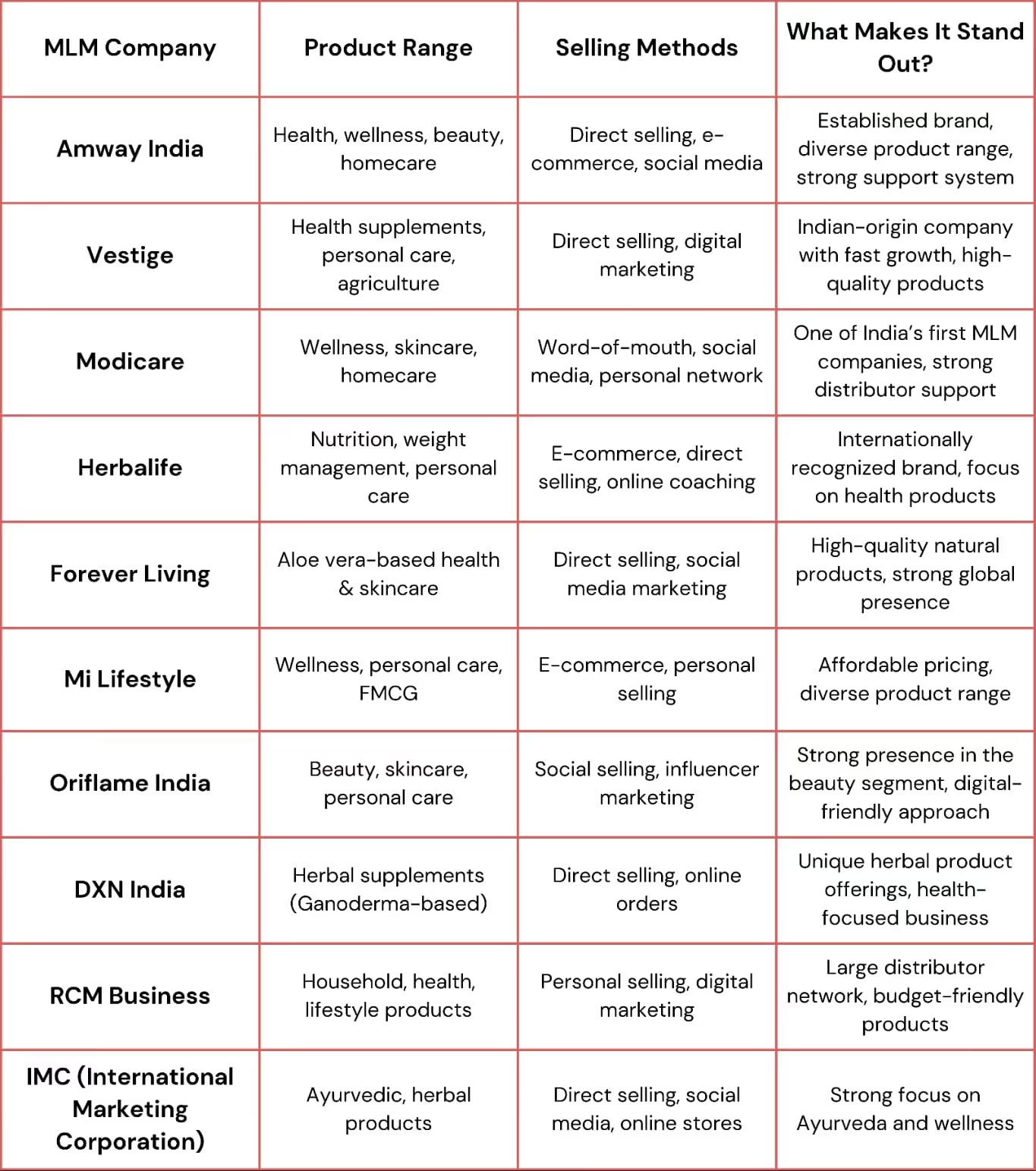
.avif)
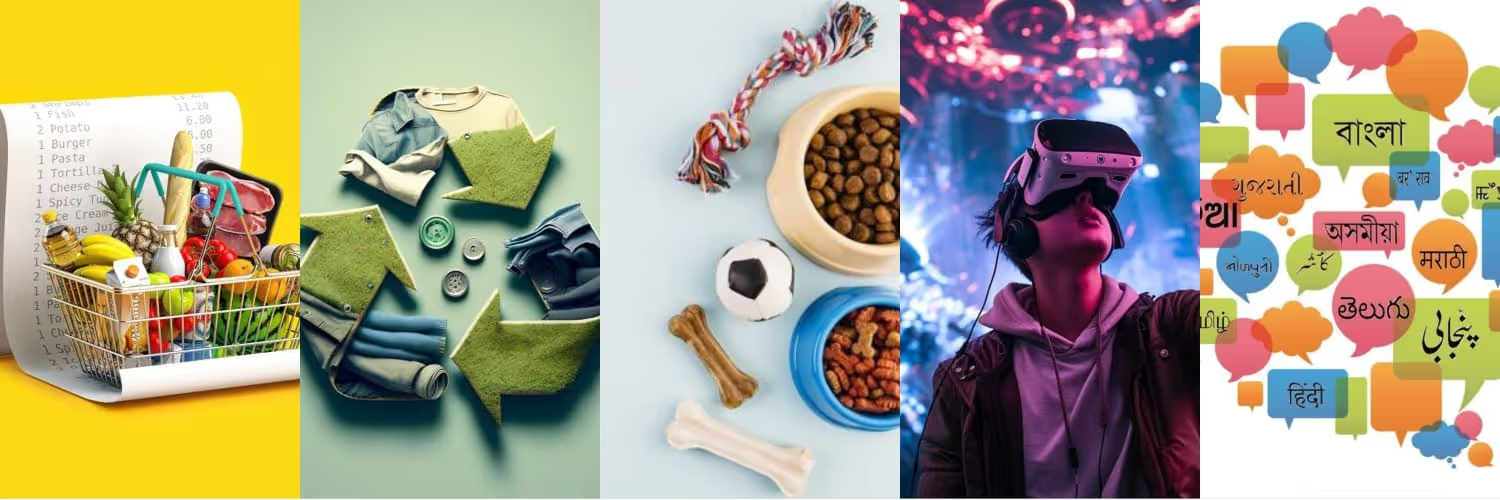
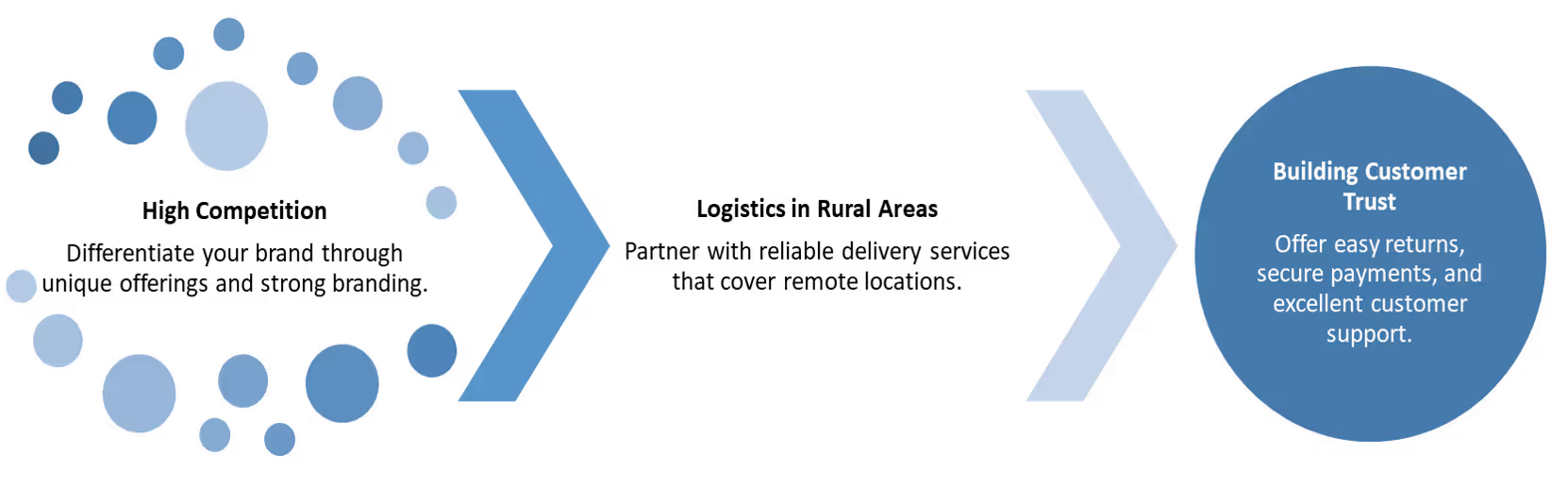
.avif)
.avif)