Online Earning
-
8
min read
Online sales are growing, but so are returns. Many sellers lose money without knowing the real reasons. Let’s break down what actually causes returns — and how to prevent them smartly.
Subham Kumar
-
February 20, 2026
In 2026, running an online store is no longer unusual. From small towns to growing cities, thousands of sellers are building businesses through websites, instagram pages, and whatsapp catalogues. Technology has made selling easier, but understanding business numbers still remains a major challenge for beginners.
When people hear the phrase business analytics, they often imagine complicated tools, technical reports, and confusing dashboards. This perception discourages many small sellers from tracking anything at all.
But here is the truth.
Business analytics, especially for small sellers, is simply about understanding what is happening inside your business. It is about replacing guesswork with clarity.
You do not need advanced software to do this. You just need the right mindset and a few simple tracking habits.
Online competition continues to increase every year. Customers have more choices. Costs are rising. Margins are tighter. In such an environment, decisions based on assumptions can become expensive.
Tracking basic numbers helps sellers answer critical questions:
Without business performance tracking, many sellers stay busy but feel uncertain.
According to ministry of commerce and industry data and various startup ecosystem studies, India continues to see rapid growth in digital commerce participation, especially among small businesses. What this means practically is simple: more sellers are entering the market, which increases the need for smarter decision making.
Large companies use complex analytics systems. Small sellers do not need that level of sophistication.
For beginners, small business data tracking can be done using extremely simple tools.
The goal is not perfection.
The goal is awareness.
Revenue is the total value of sales generated.
If you sell products worth ₹5,000 today, your revenue is ₹5,000.
How to track revenue in a simple way:
Open a basic google sheet.
Create columns for:
Update this daily or weekly.
.png)
Google sheets is ideal because:
This single habit builds foundational visibility.
Revenue feels exciting. Profit determines sustainability.
Profit is calculated after subtracting costs:
profit = selling price – total cost
Costs may include:
How to track profit:
Extend your google sheet.
Add columns:
This basic revenue and profit tracking prevents a very common beginner mistake — assuming sales equal success.
Many beginners believe they need tools for sales tracking.
In reality, a simple spreadsheet works perfectly.
Daily tracking fields:
This becomes one of the most effective simple sales tracking methods.
Consistency matters more than complexity.
Expenses are often underestimated because individual amounts feel small.
Common overlooked expenses:
How to track expenses:
Create a separate sheet inside google sheets.
Columns:
Regular expense and cash flow tracking protects business stability. When expenses are visible, pricing decisions improve naturally.
Cash flow is about timing of money movement.
Even profitable sellers can face difficulties if funds are locked in unsold inventory or delayed payments.
Basic tracking approach:
Monitor:
This avoids sudden shortages and panic decisions.
Not all products contribute equally.
Some products generate:
Others consume capital without sufficient movement.
How to track product performance:
Inside your google sheet, use simple sorting.
Check:
This practical product performance analysis helps sellers optimise inventory and reduce wasteful stocking.
Customers provide powerful business signals.
Key observations:
Simple tracking method:
Maintain a small record of repeat customers.
Columns:
This basic customer behaviour tracking improves targeting and product decisions.
Forget complicated terminology.
Beginners benefit most from tracking:
These simple ecommerce metrics for beginners provide more clarity than many realise.
Tools like google analytics are useful, but beginners should approach them calmly.
Google analytics primarily helps track:
Even minimal usage can be valuable.
For example:
Checking:
This does not require deep technical knowledge.
However, analytics tools work best when sellers already understand their basic business numbers. Without revenue, profit, and expense clarity, digital metrics can feel abstract.
Many beginners postpone analytics because they want ideal systems.
Delayed tracking leads to delayed learning.
A basic spreadsheet updated regularly is far more useful than a perfect system never used.
Growth is often subtle.
Look for patterns like:
These practical signs your online store is growing indicate healthy progress.
Business analytics is not about mathematics. It is about awareness and discipline.
Spend a few minutes regularly:
Over time, numbers begin to tell a clear story.
Today’s selling environment offers another advantage. Many online store platforms now provide built-in dashboards that simplify tracking. Sellers can quickly check orders, monitor performance, and view basic reports without setting up complex systems.
As businesses grow, these systems can often be connected with tools like google analytics for deeper tracking and behaviour insights.
The key idea remains unchanged.
Strong businesses are built on clarity.
In 2026, business analytics for small sellers does not require expensive tools or technical expertise. It begins with tracking simple, meaningful numbers using free and accessible tools like google sheets. This becomes even more important when dealing with challenges discussed in why customers return products in India and how to reduce returns, where data and patterns often reveal the real problems behind return orders.
Focus on revenue, profit, expenses, products, and customers. Build a consistent tracking habit. As your store matures, advanced tools can enhance insights, but foundational clarity must come first.
A seller who understands their numbers always operates with greater confidence, stability, and control.
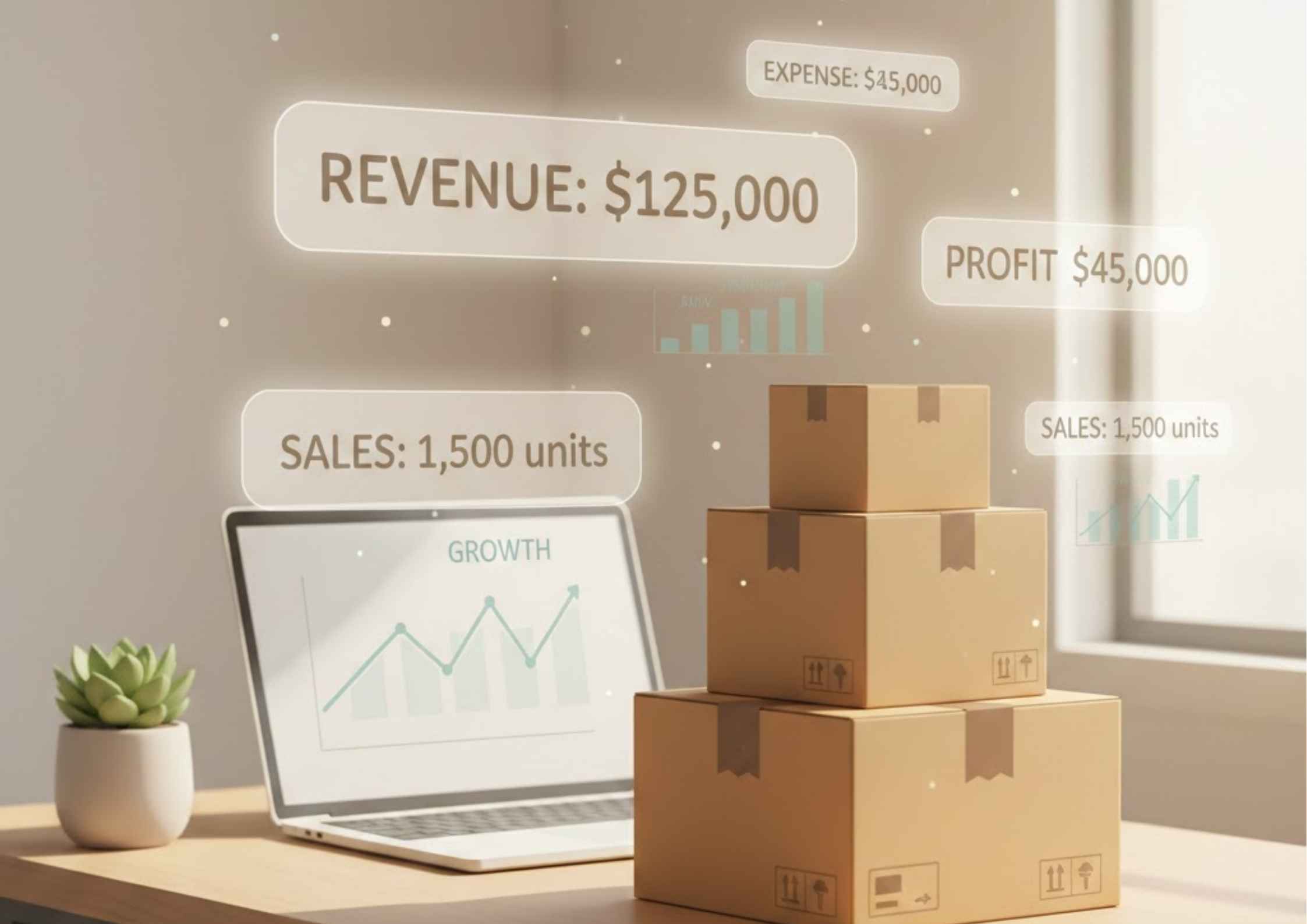
In 2026, running an online store is no longer unusual. From small towns to growing cities, thousands of sellers are building businesses through websites, instagram pages, and whatsapp catalogues. Technology has made selling easier, but understanding business numbers still remains a major challenge for beginners.
When people hear the phrase business analytics, they often imagine complicated tools, technical reports, and confusing dashboards. This perception discourages many small sellers from tracking anything at all.
But here is the truth.
Business analytics, especially for small sellers, is simply about understanding what is happening inside your business. It is about replacing guesswork with clarity.
You do not need advanced software to do this. You just need the right mindset and a few simple tracking habits.
Online competition continues to increase every year. Customers have more choices. Costs are rising. Margins are tighter. In such an environment, decisions based on assumptions can become expensive.
Tracking basic numbers helps sellers answer critical questions:
Without business performance tracking, many sellers stay busy but feel uncertain.
According to ministry of commerce and industry data and various startup ecosystem studies, India continues to see rapid growth in digital commerce participation, especially among small businesses. What this means practically is simple: more sellers are entering the market, which increases the need for smarter decision making.
Large companies use complex analytics systems. Small sellers do not need that level of sophistication.
For beginners, small business data tracking can be done using extremely simple tools.
The goal is not perfection.
The goal is awareness.
Revenue is the total value of sales generated.
If you sell products worth ₹5,000 today, your revenue is ₹5,000.
How to track revenue in a simple way:
Open a basic google sheet.
Create columns for:
Update this daily or weekly.
Google sheets is ideal because:
This single habit builds foundational visibility.
Revenue feels exciting. Profit determines sustainability.
Profit is calculated after subtracting costs:
profit = selling price – total cost
Costs may include:
How to track profit:
Extend your google sheet.
Add columns:
This basic revenue and profit tracking prevents a very common beginner mistake — assuming sales equal success.
Many beginners believe they need tools for sales tracking.
In reality, a simple spreadsheet works perfectly.
Daily tracking fields:
This becomes one of the most effective simple sales tracking methods.
Consistency matters more than complexity.
Expenses are often underestimated because individual amounts feel small.
Common overlooked expenses:
How to track expenses:
Create a separate sheet inside google sheets.
Columns:
Regular expense and cash flow tracking protects business stability. When expenses are visible, pricing decisions improve naturally.
Cash flow is about timing of money movement.
Even profitable sellers can face difficulties if funds are locked in unsold inventory or delayed payments.
Basic tracking approach:
Monitor:
This avoids sudden shortages and panic decisions.
Not all products contribute equally.
Some products generate:
Others consume capital without sufficient movement.
How to track product performance:
Inside your google sheet, use simple sorting.
Check:
This practical product performance analysis helps sellers optimise inventory and reduce wasteful stocking.
Customers provide powerful business signals.
Key observations:
Simple tracking method:
Maintain a small record of repeat customers.
Columns:
This basic customer behaviour tracking improves targeting and product decisions.
Forget complicated terminology.
Beginners benefit most from tracking:
These simple ecommerce metrics for beginners provide more clarity than many realise.
Tools like google analytics are useful, but beginners should approach them calmly.
Google analytics primarily helps track:
Even minimal usage can be valuable.
For example:
Checking:
This does not require deep technical knowledge.
However, analytics tools work best when sellers already understand their basic business numbers. Without revenue, profit, and expense clarity, digital metrics can feel abstract.
Many beginners postpone analytics because they want ideal systems.
Delayed tracking leads to delayed learning.
A basic spreadsheet updated regularly is far more useful than a perfect system never used.
Growth is often subtle.
Look for patterns like:
These practical signs your online store is growing indicate healthy progress.
Business analytics is not about mathematics. It is about awareness and discipline.
Spend a few minutes regularly:
Over time, numbers begin to tell a clear story.
Today’s selling environment offers another advantage. Many online store platforms now provide built-in dashboards that simplify tracking. Sellers can quickly check orders, monitor performance, and view basic reports without setting up complex systems.
As businesses grow, these systems can often be connected with tools like google analytics for deeper tracking and behaviour insights.
The key idea remains unchanged.
Strong businesses are built on clarity.
In 2026, business analytics for small sellers does not require expensive tools or technical expertise. It begins with tracking simple, meaningful numbers using free and accessible tools like google sheets. This becomes even more important when dealing with challenges discussed in why customers return products in India and how to reduce returns, where data and patterns often reveal the real problems behind return orders.
Focus on revenue, profit, expenses, products, and customers. Build a consistent tracking habit. As your store matures, advanced tools can enhance insights, but foundational clarity must come first.
A seller who understands their numbers always operates with greater confidence, stability, and control.
In 2026, running an online store is no longer unusual. From small towns to growing cities, thousands of sellers are building businesses through websites, instagram pages, and whatsapp catalogues. Technology has made selling easier, but understanding business numbers still remains a major challenge for beginners.
When people hear the phrase business analytics, they often imagine complicated tools, technical reports, and confusing dashboards. This perception discourages many small sellers from tracking anything at all.
But here is the truth.
Business analytics, especially for small sellers, is simply about understanding what is happening inside your business. It is about replacing guesswork with clarity.
You do not need advanced software to do this. You just need the right mindset and a few simple tracking habits.
Online competition continues to increase every year. Customers have more choices. Costs are rising. Margins are tighter. In such an environment, decisions based on assumptions can become expensive.
Tracking basic numbers helps sellers answer critical questions:
Without business performance tracking, many sellers stay busy but feel uncertain.
According to ministry of commerce and industry data and various startup ecosystem studies, India continues to see rapid growth in digital commerce participation, especially among small businesses. What this means practically is simple: more sellers are entering the market, which increases the need for smarter decision making.
Large companies use complex analytics systems. Small sellers do not need that level of sophistication.
For beginners, small business data tracking can be done using extremely simple tools.
The goal is not perfection.
The goal is awareness.
Revenue is the total value of sales generated.
If you sell products worth ₹5,000 today, your revenue is ₹5,000.
How to track revenue in a simple way:
Open a basic google sheet.
Create columns for:
Update this daily or weekly.
Google sheets is ideal because:
This single habit builds foundational visibility.
Revenue feels exciting. Profit determines sustainability.
Profit is calculated after subtracting costs:
profit = selling price – total cost
Costs may include:
How to track profit:
Extend your google sheet.
Add columns:
This basic revenue and profit tracking prevents a very common beginner mistake — assuming sales equal success.
Many beginners believe they need tools for sales tracking.
In reality, a simple spreadsheet works perfectly.
Daily tracking fields:
This becomes one of the most effective simple sales tracking methods.
Consistency matters more than complexity.
Expenses are often underestimated because individual amounts feel small.
Common overlooked expenses:
How to track expenses:
Create a separate sheet inside google sheets.
Columns:
Regular expense and cash flow tracking protects business stability. When expenses are visible, pricing decisions improve naturally.
Cash flow is about timing of money movement.
Even profitable sellers can face difficulties if funds are locked in unsold inventory or delayed payments.
Basic tracking approach:
Monitor:
This avoids sudden shortages and panic decisions.
Not all products contribute equally.
Some products generate:
Others consume capital without sufficient movement.
How to track product performance:
Inside your google sheet, use simple sorting.
Check:
This practical product performance analysis helps sellers optimise inventory and reduce wasteful stocking.
Customers provide powerful business signals.
Key observations:
Simple tracking method:
Maintain a small record of repeat customers.
Columns:
This basic customer behaviour tracking improves targeting and product decisions.
Forget complicated terminology.
Beginners benefit most from tracking:
These simple ecommerce metrics for beginners provide more clarity than many realise.
Tools like google analytics are useful, but beginners should approach them calmly.
Google analytics primarily helps track:
Even minimal usage can be valuable.
For example:
Checking:
This does not require deep technical knowledge.
However, analytics tools work best when sellers already understand their basic business numbers. Without revenue, profit, and expense clarity, digital metrics can feel abstract.
Many beginners postpone analytics because they want ideal systems.
Delayed tracking leads to delayed learning.
A basic spreadsheet updated regularly is far more useful than a perfect system never used.
Growth is often subtle.
Look for patterns like:
These practical signs your online store is growing indicate healthy progress.
Business analytics is not about mathematics. It is about awareness and discipline.
Spend a few minutes regularly:
Over time, numbers begin to tell a clear story.
Today’s selling environment offers another advantage. Many online store platforms now provide built-in dashboards that simplify tracking. Sellers can quickly check orders, monitor performance, and view basic reports without setting up complex systems.
As businesses grow, these systems can often be connected with tools like google analytics for deeper tracking and behaviour insights.
The key idea remains unchanged.
Strong businesses are built on clarity.
In 2026, business analytics for small sellers does not require expensive tools or technical expertise. It begins with tracking simple, meaningful numbers using free and accessible tools like google sheets. This becomes even more important when dealing with challenges discussed in why customers return products in India and how to reduce returns, where data and patterns often reveal the real problems behind return orders.
Focus on revenue, profit, expenses, products, and customers. Build a consistent tracking habit. As your store matures, advanced tools can enhance insights, but foundational clarity must come first.
A seller who understands their numbers always operates with greater confidence, stability, and control.
.png)
.jpg)